



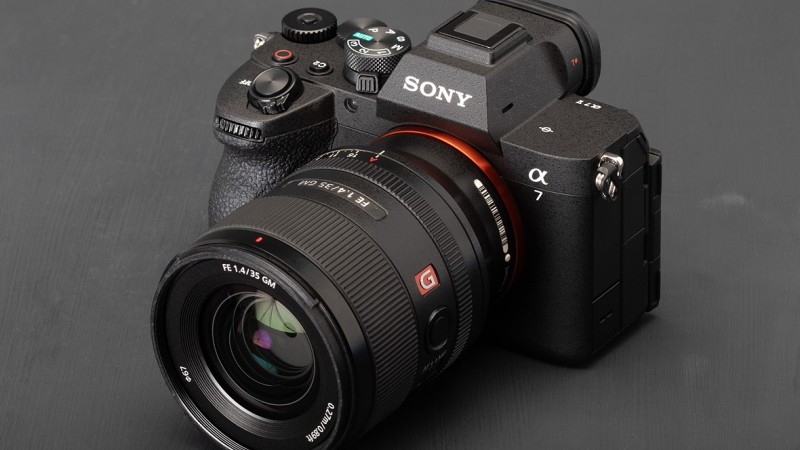
Sony A7V Review
Comprehensive Power for E-Mount Users
A fully integrated hybrid camera featuring a 33MP partially stacked sensor, AI-powered autofocus, and 4K video recording at 120 frames per second.
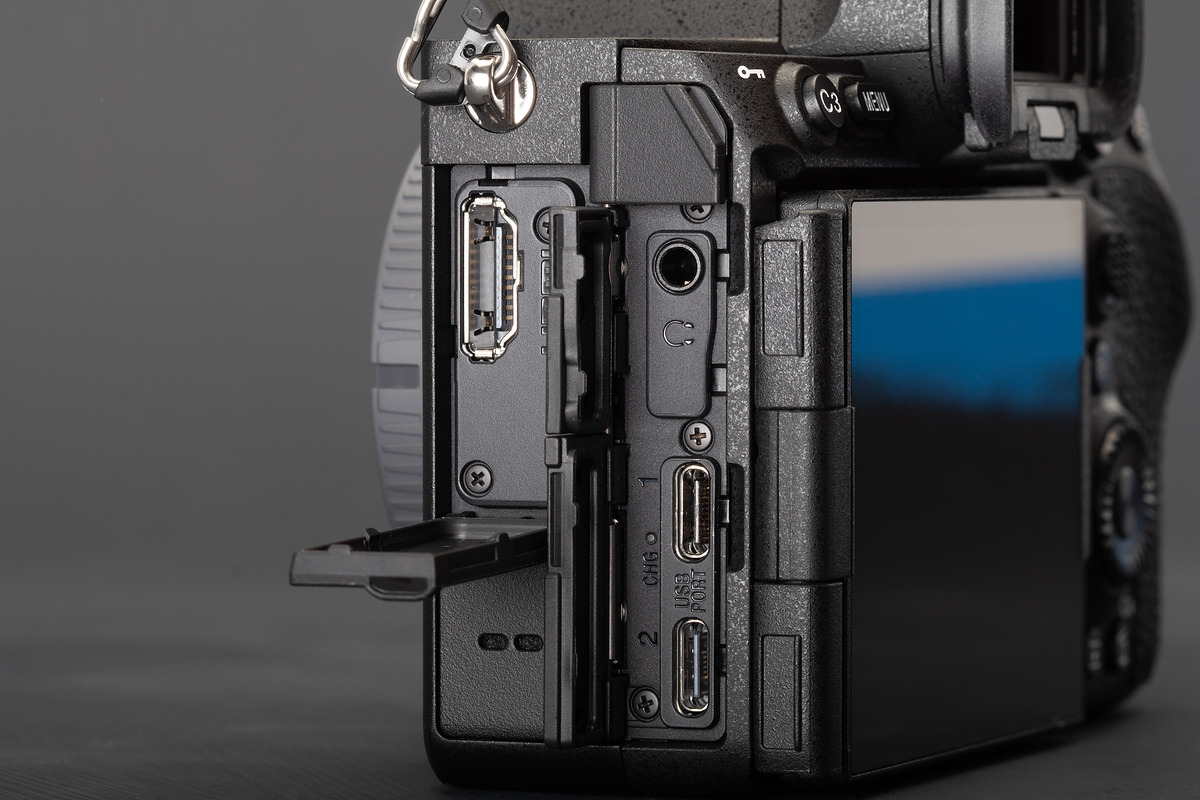
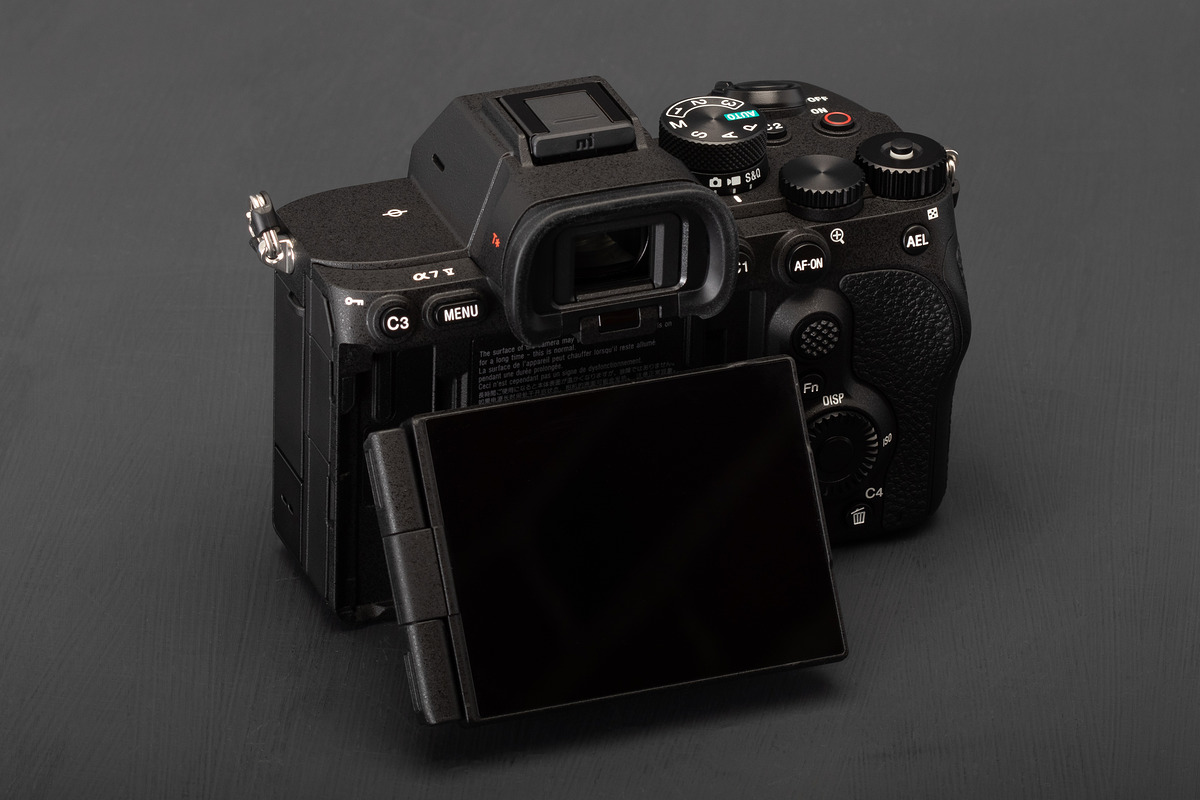
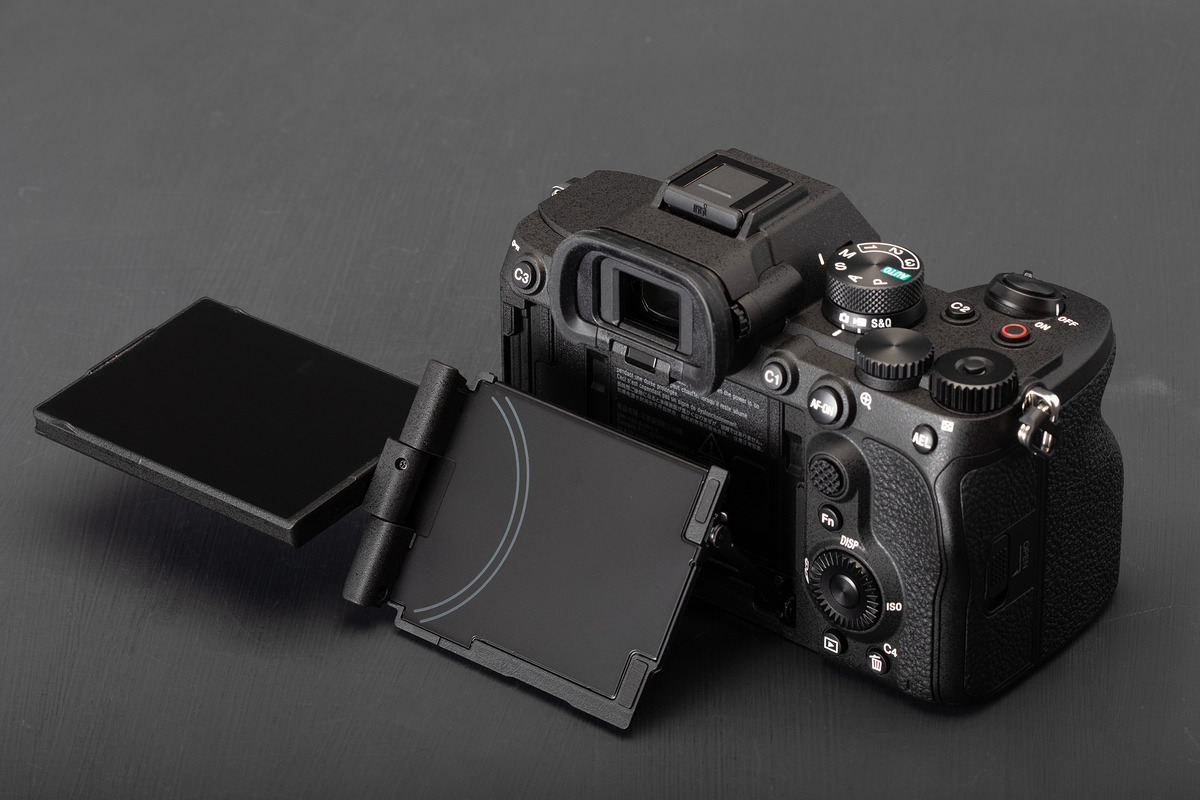
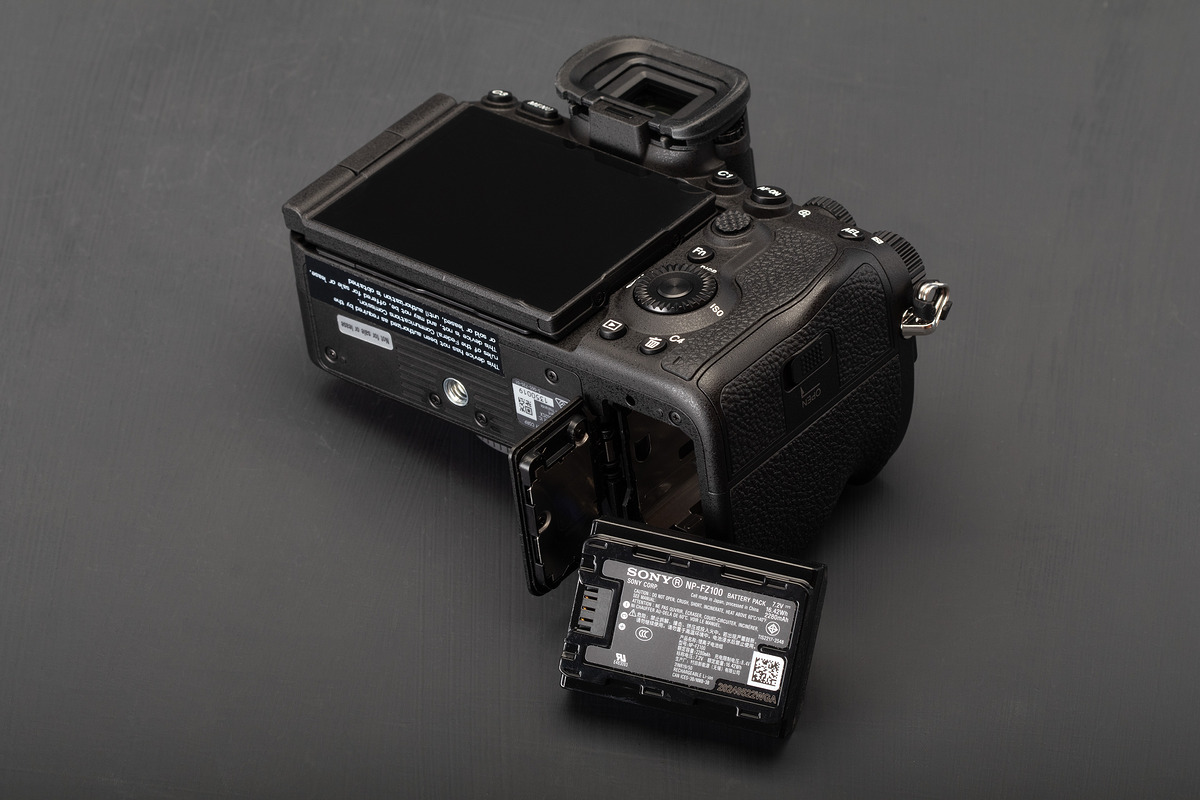
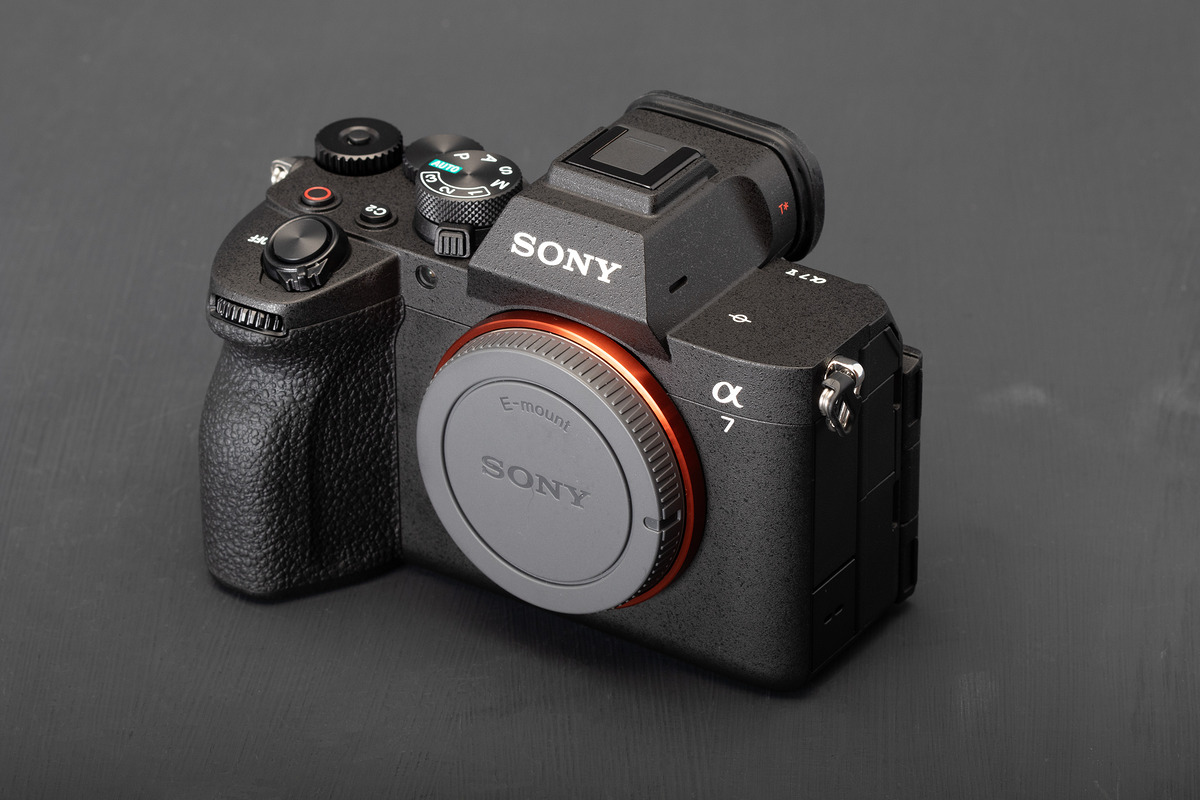
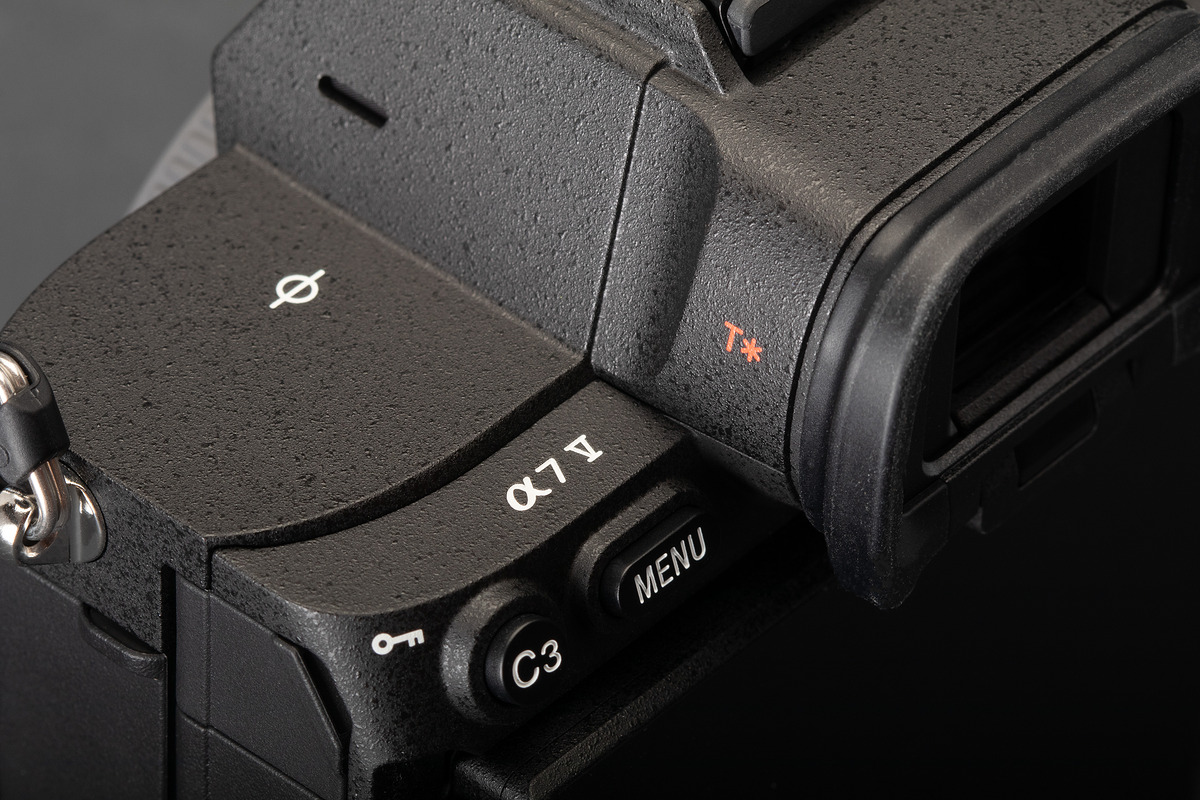
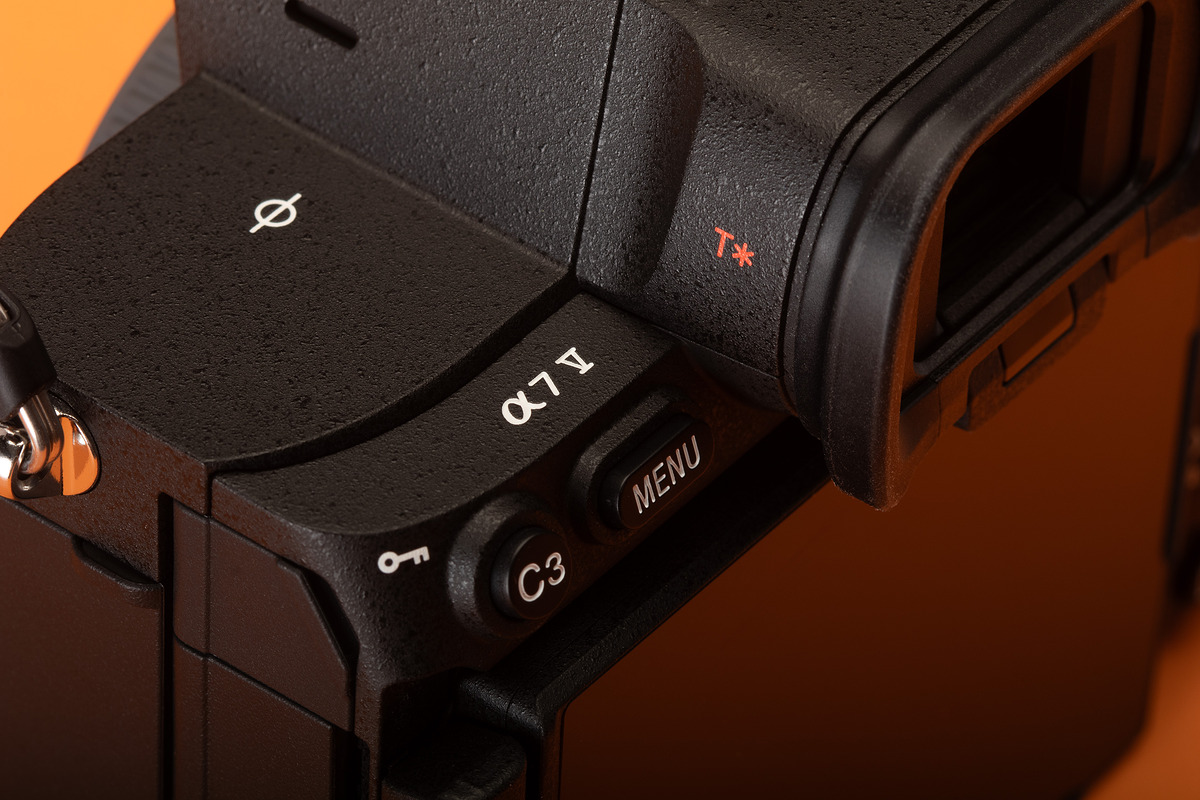
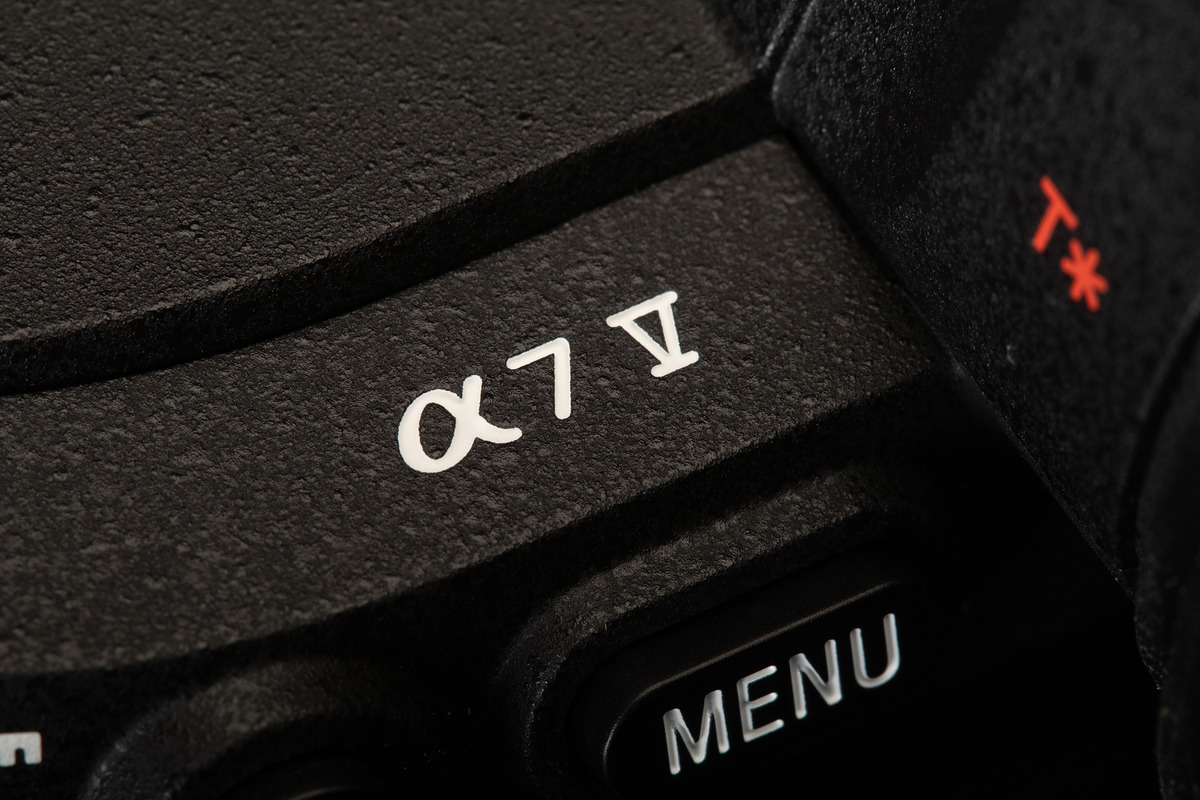

Available Now at CameraMix
Free Fast Shipping • Comprehensive Warranty • Cash on Delivery
Introduction: The Anticipated Successor
The Sony A7V is the fifth generation of the popular A7 series, a full-frame mirrorless camera aimed at professional photographers and advanced enthusiasts alike. Announced in December 2025 with a starting price of $2,899 for the body only, it represents a $400 increase over the previous generation A7IV released in 2021.
This camera features an all-new 33-megapixel "Partially Stacked" sensor, a design previously seen in 24MP cameras like the Nikon Z6III and Panasonic S1II, but applied here for the first time to a higher-resolution sensor. The result? Drastically improved readout speeds, stunning burst shooting rates, and exceptional dynamic range.
Sensor and Processor: A True Technological Leap
33MP Partially Stacked Sensor
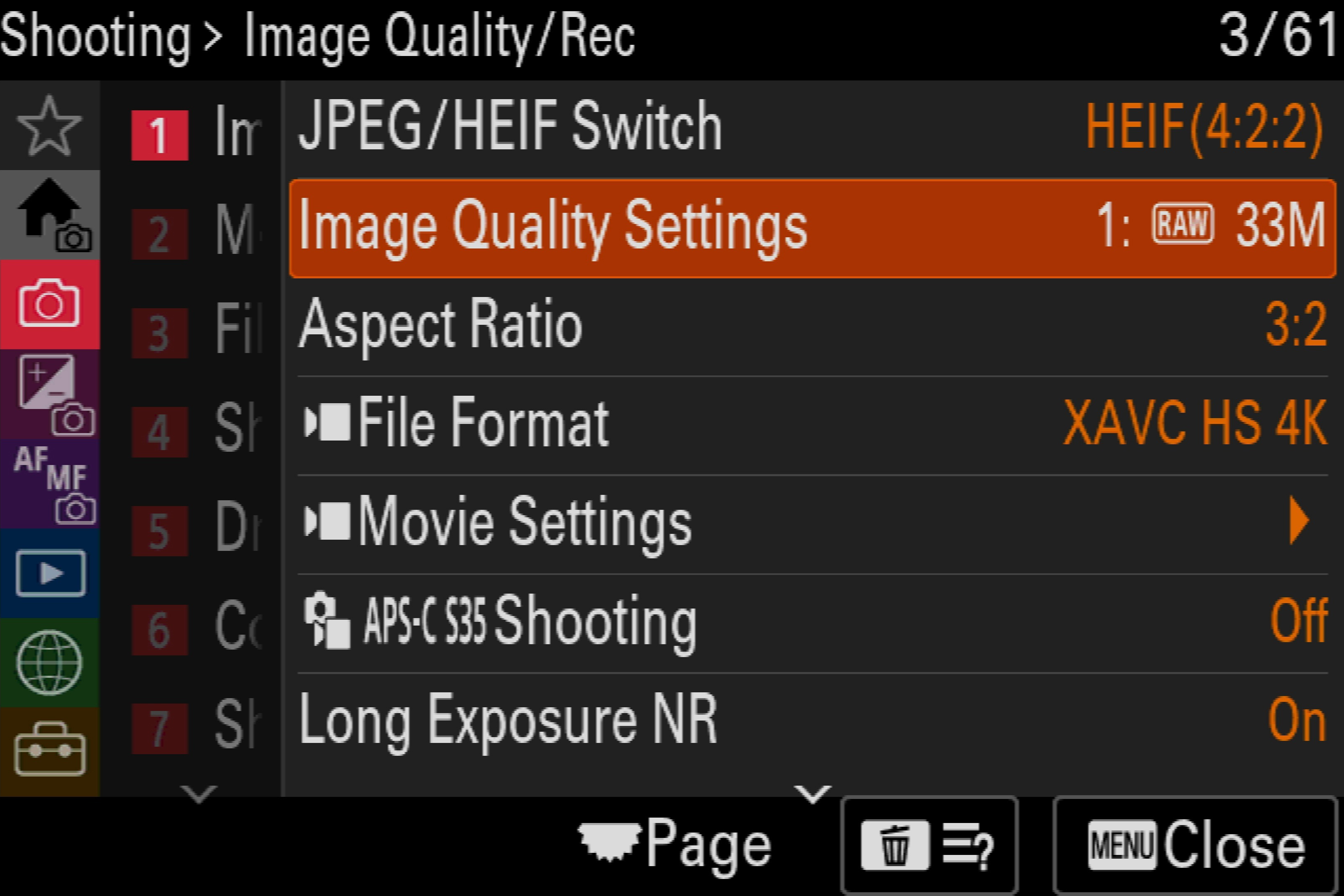
Although the resolution matches its predecessor, the A7IV, the new sensor includes additional readout circuitry that significantly boosts readout speed—a major weak point of the previous generation. This design allows the camera to achieve a continuous shooting rate of up to 30 fps compared to the A7IV's 10 fps, with a full 14-bit readout without the need for RAW compression that caused data loss.
The maximum electronic shutter speed has also increased to 1/16000 sec. Sony confirms the camera won't suffer from the dynamic range drop seen with the Z6III when recovering shadows in post-production. The IBIS system has also been upgraded to deliver up to 7.5 stops of compensation, up from 5.5 in the A7IV.
Key Sensor & Processor Specs
- 33MP Partially Stacked Full-Frame CMOS Sensor
- New Bionz XR2 Processor — Faster and more efficient
- Up to 30 fps continuous shooting in full 14-bit
- Improved IBIS with 7.5 stops of compensation
- Electronic shutter speed up to 1/16000 sec
- One of the most ISO-invariant sensors to date
Bionz XR2 Processor
The new processor is an evolution of the generation used in cameras like the A1 II, A7R V, and A6700. In those cameras, there was an image processor and a separate AI co-processor handling autofocus tasks. In the A7V, both functions are integrated into a single chip, making the system much more efficient at performing the same tasks.
Autofocus System: Advanced AI
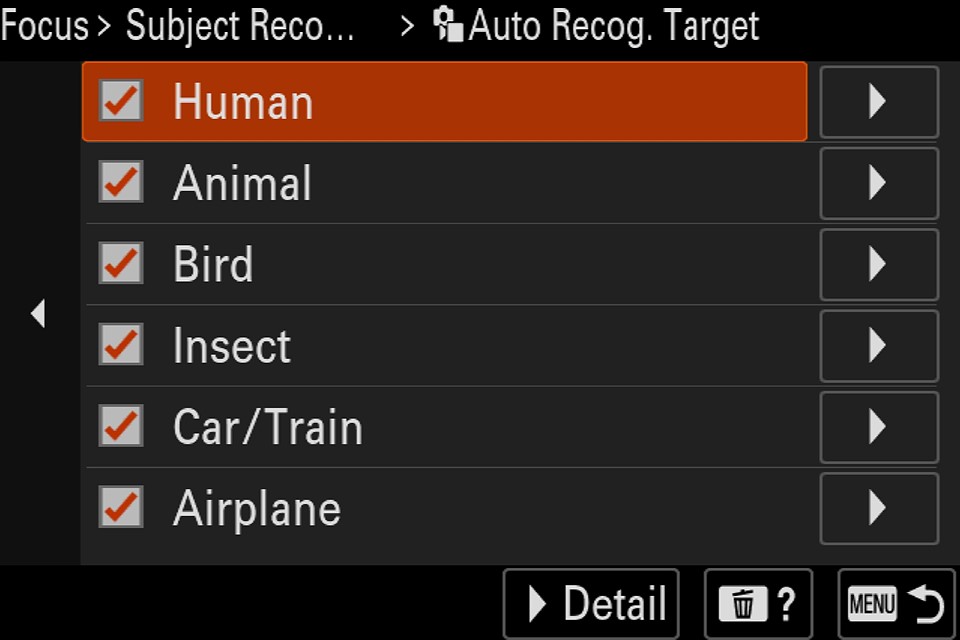
The A7V gets Sony's latest autofocus system, found in most of its other recent cameras. The system supports recognition for six types of subjects with a customizable "Auto" mode. The camera performs AF calculations 60 times per second.
The face and eye recognition system has seen a fundamental upgrade: the camera has been trained to recognize people in various poses, maintaining tracking on the same person and re-acquiring their face much faster even if partially obscured. New focus area settings have also been added.
Quick Comparison with Competitors
In the mid-to-advanced hybrid camera category, the A7V faces fierce competition from the Canon EOS R6 III, Nikon Z6III, and Panasonic S1II. While the A7V boasts higher resolution (33MP vs. 24MP for Nikon and Panasonic) and wider dynamic range with the mechanical shutter, competitors excel in certain specialized video features.
Dynamic Range: Have We Reached the Peak?
One of the A7V's standout features is its exceptional dynamic range performance when using the mechanical shutter. This sensor is one of the most ISO-invariant we've seen so far. This means you have a lot of headroom to preserve highlight details by shooting at lower ISOs, then lifting the shadows in post-production.
However, it's important to note that this feature works at its full potential only with the mechanical shutter. When switching to the electronic shutter—which is required for burst rates exceeding 10 fps—the dynamic range drops noticeably, though it remains competitive with what other cameras offer with their mechanical shutters.
Image Quality: A Calculated Evolution
When comparing RAW files processed at base ISO, the A7V's 33MP sensor provides detail levels similar to comparable resolution cameras like the Canon EOS R6 III, with a slight edge over 24MP models. Sony has made subtle tweaks to color response compared to the A7IV, and the resulting JPEGs are visually pleasing.
At higher ISOs, RAW files show slightly more noise compared to competitors, but the JPEG engine does a good job of reducing noise while retaining detail. Overall, the A7V's images are very similar to the A7IV, but the partially stacked sensor brings better dynamic range at low ISOs and faster burst rates without any noticeable impact on image quality.
Video: A Comprehensive Feature Set
The A7V records 4K/24p video oversampled from a 7K capture by default, delivering excellent detail levels that are highly competitive with the oversampled modes of cameras like the Canon EOS R6 III and Panasonic S1II.
Moving to 4K/60p, there is an "Angle of View Priority" mode that must be enabled to get full-width recording, otherwise a 1.17x crop is applied. With this mode enabled, the A7V's footage is slightly more detailed than Canon or Panasonic.
For 4K/120p recording, the camera requires a 1.52x crop, which is heavier than the S1II (1.24x). However, the A7V's 4K/120p footage is noticeably more detailed than the EOS R6 III and highly competitive with the S1II.
Note on Advanced Video Features
Unlike Panasonic and Canon, which offer Open Gate (full sensor readout) video, Sony is limited to 16:9 UHD 4K recording only. It also lacks internal RAW video recording. If your workflow demands these advanced features, competing cameras might be a better fit.
Design, Build, and Usability
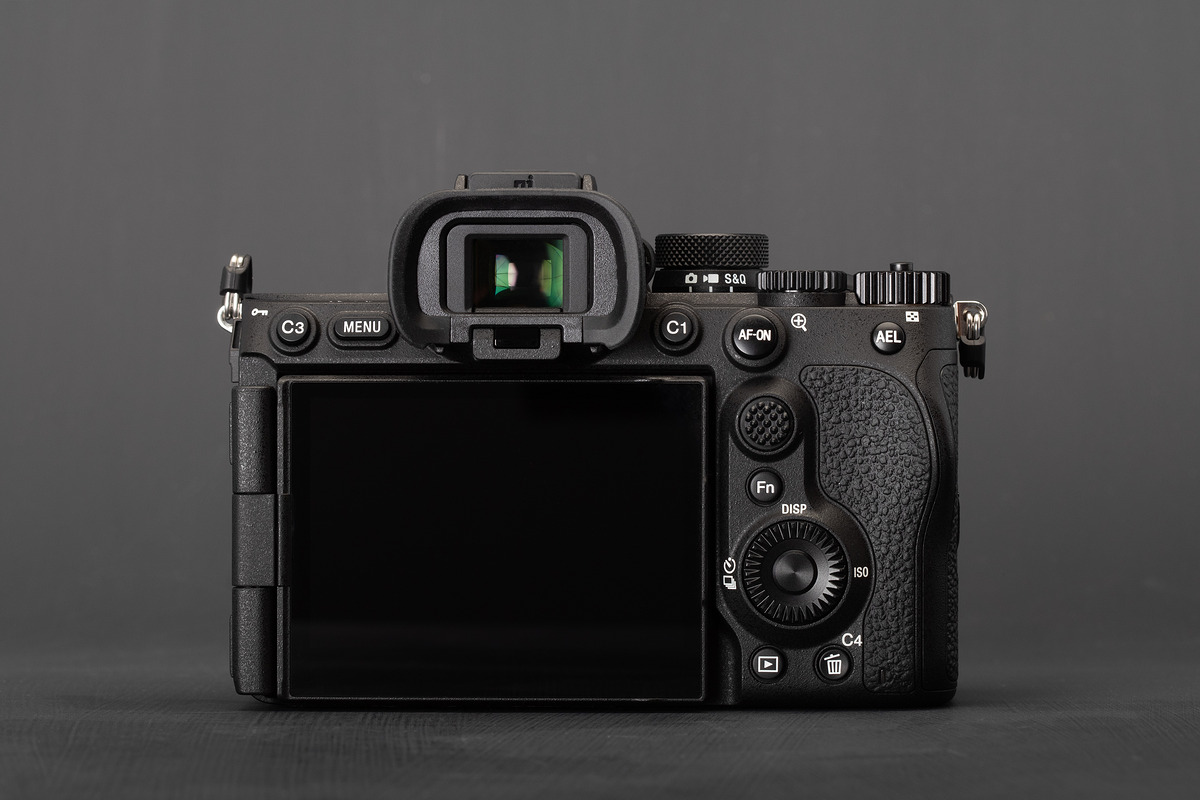
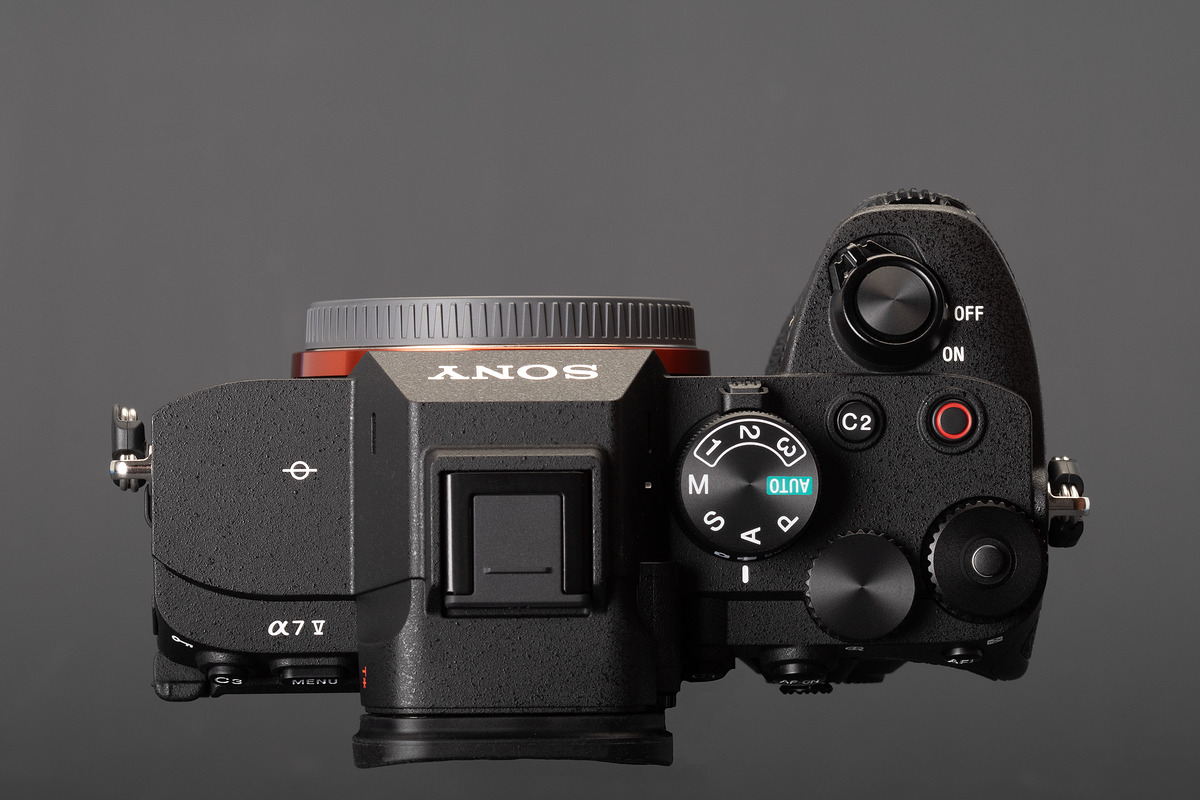
The overall design remains similar to previous Sony A7 series cameras, with some refinements borrowed from models like the A7R V and Alpha 1 II. The grip has been slightly improved for better ergonomics. The camera measures 130.3 x 96.4 x 82.4 mm and weighs 695 grams with battery and memory card.
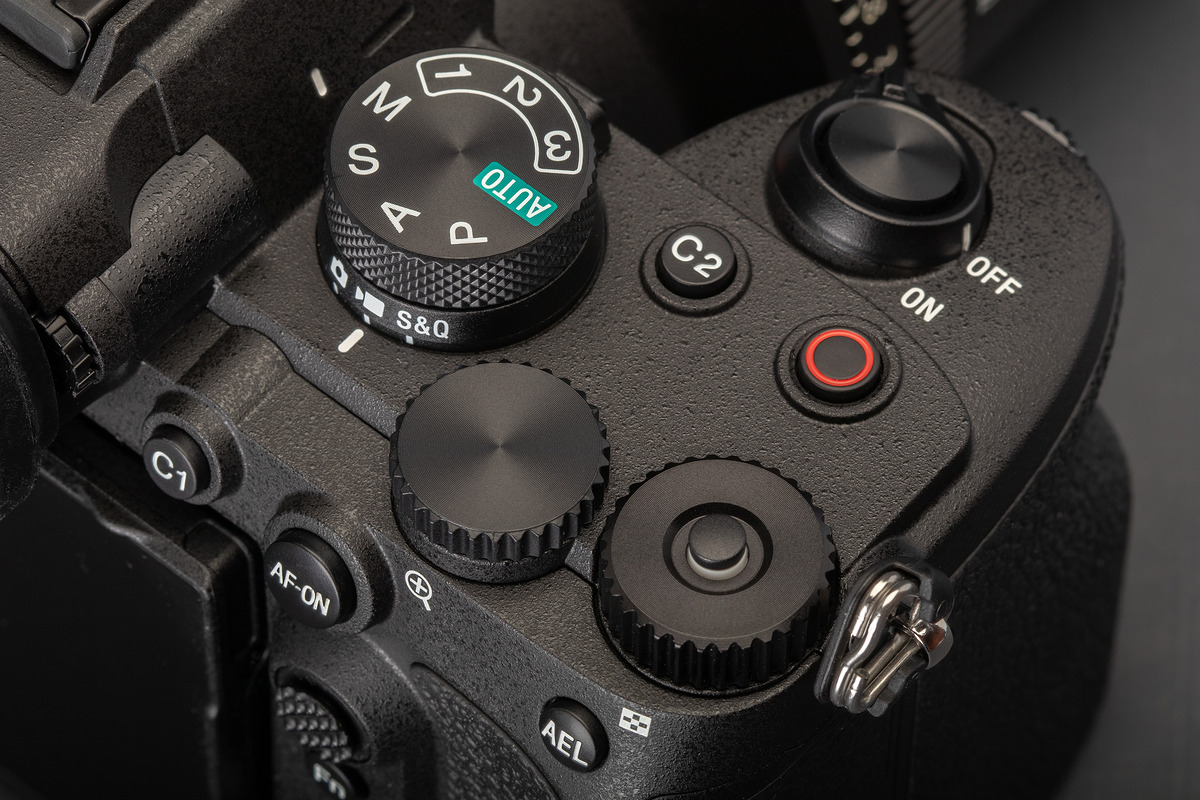
The camera features four control dials and a generous number of customizable buttons. The rear joystick has also been improved with a better texture and more precise movement. Different functions can now be easily assigned to the exposure compensation dial. The multi-angle screen combines the benefits of both tilting and fully articulating displays.
On the downside: the 3.68M-dot EVF is standard for this class without being exceptional. Also, the sensor cleaning system still relies on the older sensor-shift mechanism rather than the newer ultrasonic system used in the R series.
Key Technical Specifications
Pros and Cons
Pros
- Exceptional dynamic range with mechanical shutter
- Advanced AI-powered autofocus system
- Fast continuous shooting (30 fps) in 14-bit quality
- Excellent 4K video across various frame rates
- Refined and visually pleasing JPEG colors
- Significantly improved IBIS system
- Extensive button and dial customization
Cons
- No RAW video or Open Gate recording
- EVF resolution is standard, not exceptional
- Sensor cleaning system is still the older mechanism
- Dynamic range drop with electronic shutter
- Noticeable crop when recording 4K/120p
- Noticeable price increase over the previous generation
Final Verdict
The Sony A7V is a brilliantly well-rounded camera by all measures. It combines an advanced AF system, excellent dynamic range, fast burst shooting, and impressive 4K video—all in one body. While the user interface and some usability aspects aren't the absolute best in class, and some video specialists might find the feature set a bit restricted, for the vast majority of photographers and videographers, this camera will be more than they ever need.
Best suited for:
A wide range of photography and videography applications.
Less suited for:
Highly specialized video production workflows.
Who is this camera for?
If you are a photographer looking for a hybrid camera that excels equally in stills and video, the A7V is a very strong choice. It is particularly well-suited for event and wedding photographers, shooters who need fast and reliable autofocus, and content creators who constantly switch between photo and video. It's also an excellent choice for those who value wide dynamic range for landscape photography.
However, if you are a dedicated cinematic video producer who absolutely needs internal RAW, Open Gate, or 10-bit 4:2:2 recording at the highest possible framerates, you might find more suitable options among its competitors.
Order the Sony A7V now from CameraMix
Free fast shipping on orders over 440 SAR • Comprehensive warranty • Customer service 920033494
Exclusive Content — Evaluated by CameraMix Lab © 2026

Leave a comment