



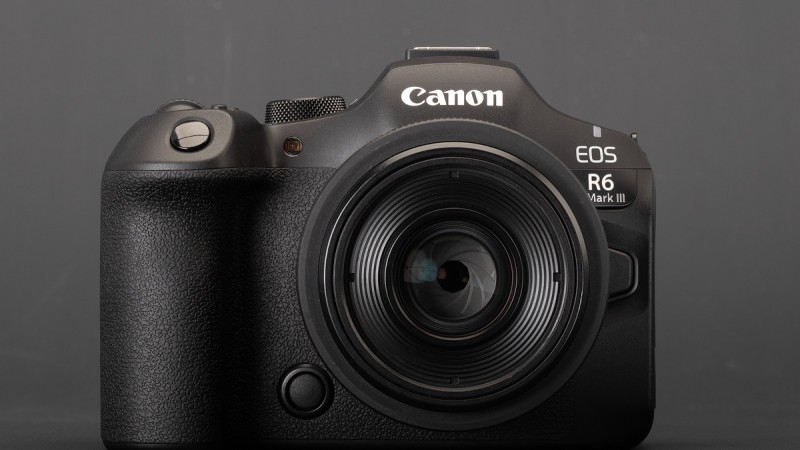
Canon EOS R6 III Review
A Master of Most for Enthusiasts
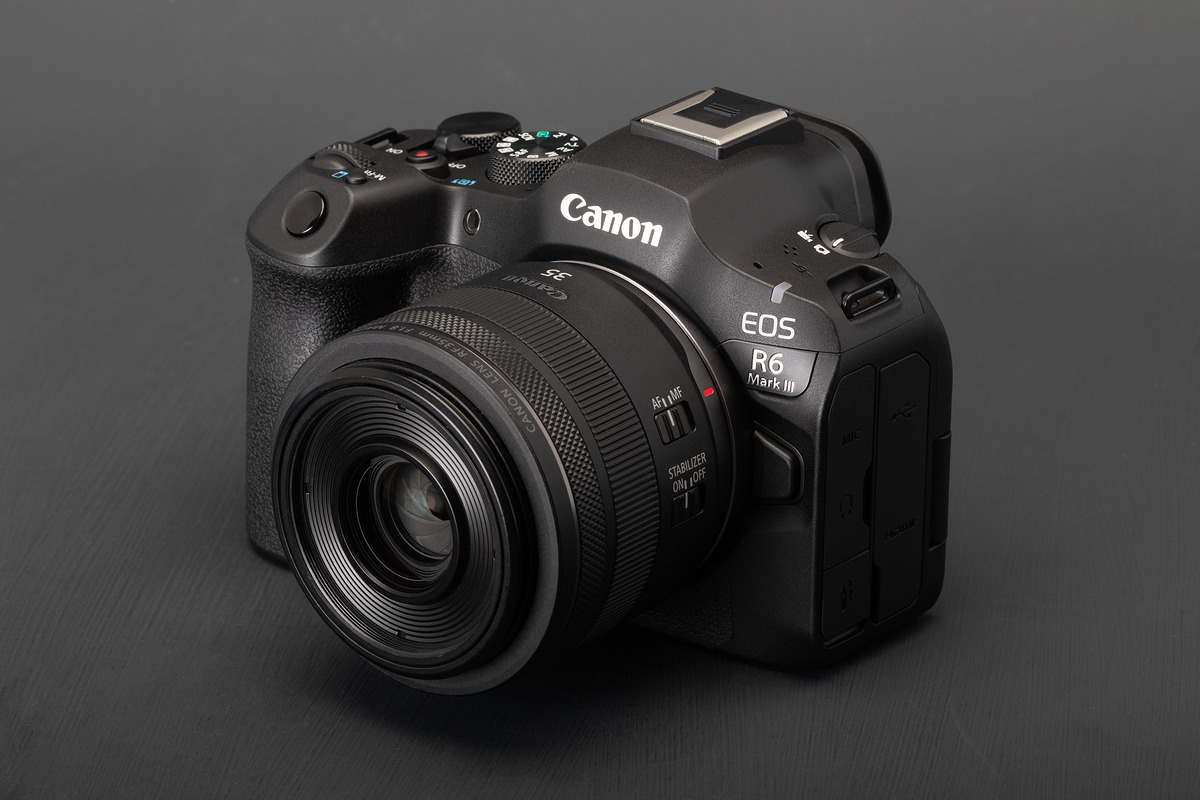
An enthusiast-class camera with a new 32MP full-frame CMOS sensor, offering high burst rates, 7K Raw video, and blazing-fast readout speeds.

Available Now at CameraMix
Free Fast Shipping • Comprehensive Warranty • Cash on Delivery
Introduction: The Enthusiast's Choice
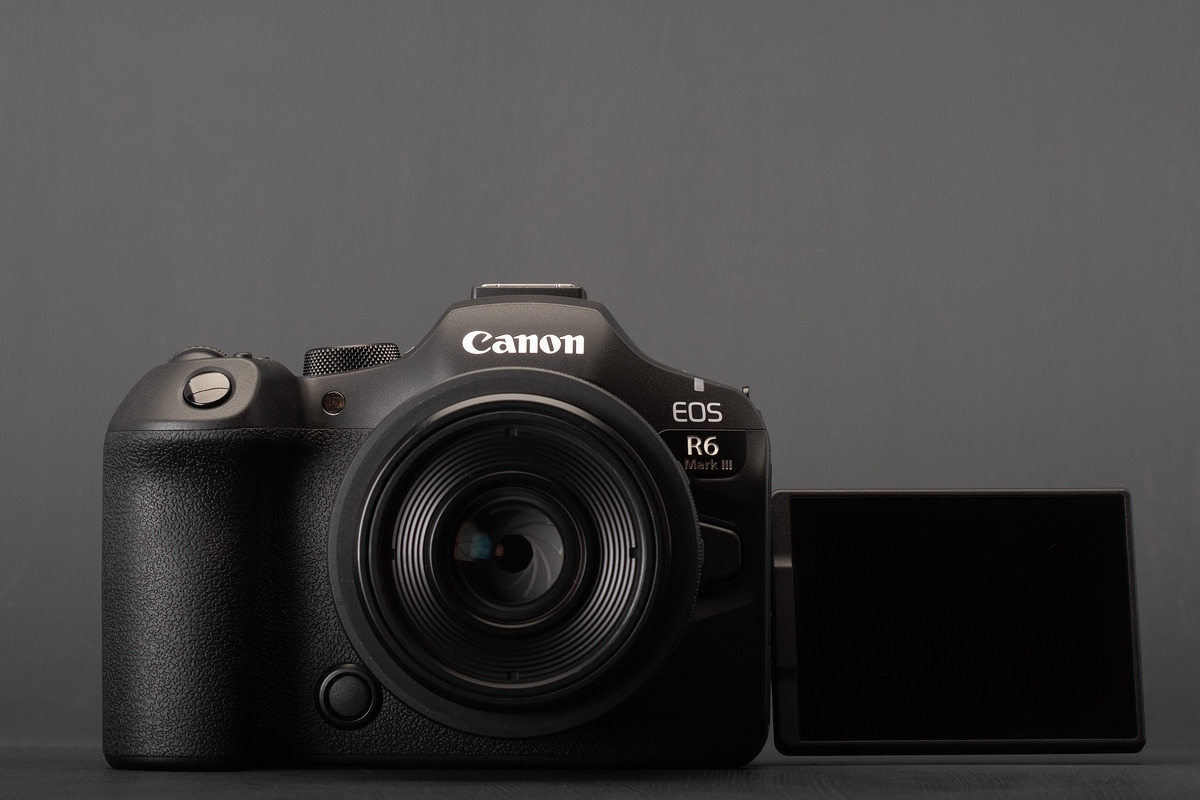
The Canon EOS R6 III represents a highly refined hybrid mirrorless offering, launching into a market segment with robust competition. At a recommended price of $2,799 for the body only, it arrives as a premium over its predecessor, but with technological upgrades that more than justify the gap.
Designed as part of the class of "do anything" hybrid cameras, the R6 III aims to be the ultimate enthusiast tool. Whether for landscape photography, fast-paced sports action, or professional-grade video shooting, it seamlessly handles high-level demands, incorporating tech previously reserved for cinema bodies.
Sensor and Processor: A New Generation
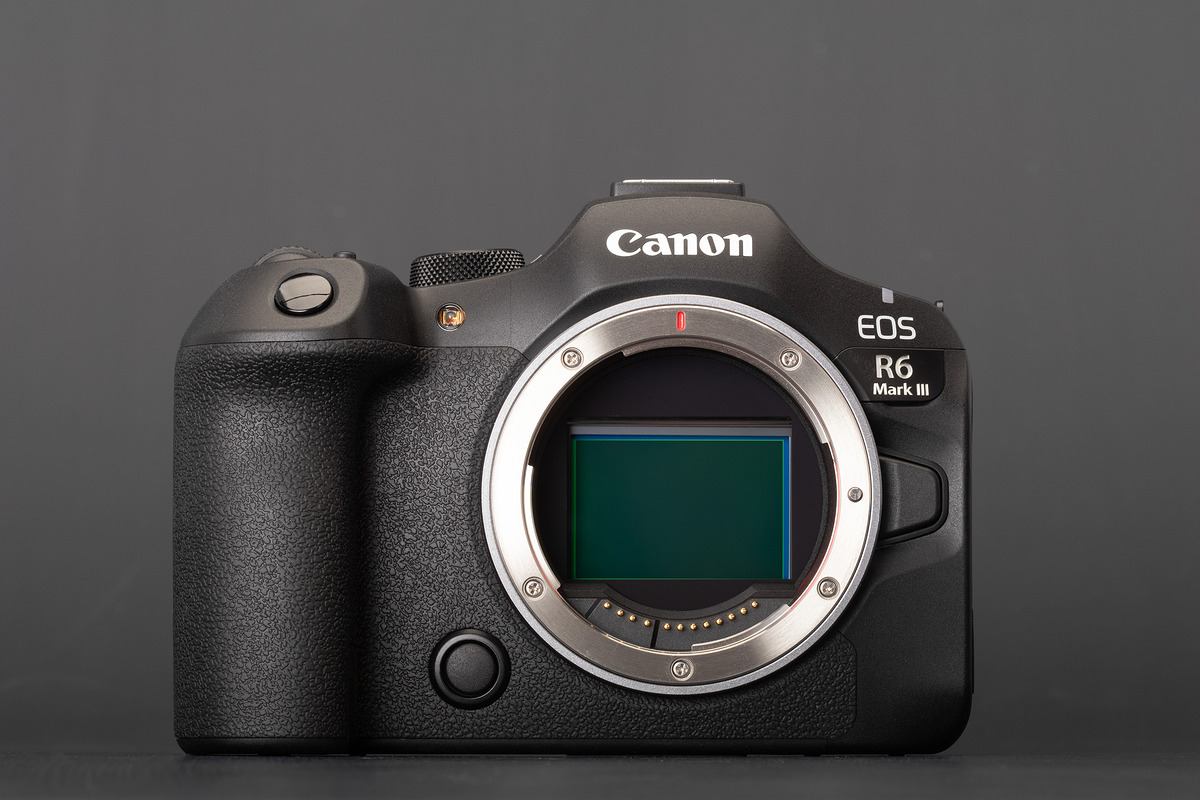
32MP Dual Pixel CMOS Sensor
At the heart of the EOS R6 III lies a brand new 32MP FSI CMOS sensor. While not completely stacked, this chip—recently seen in the cinema-focused EOS C50—boasts blazing-fast readout speeds that significantly outpace the lower-resolution EOS R6 II. The dual pixel design ensures that the entire sensor is utilized for phase-detection autofocus.
This increased readout speed, paired with intergenerational 'Digic X' processor improvements, powers exceptional new features, including a blistering 40 fps electronic shutter burst rate capable of pre-capture, without the clumsy Raw Burst modes of the past.
Key Upgrades & Features
- 32MP Dual Pixel Full-Frame CMOS Sensor
- 40fps electronic burst with pre-continuous shooting
- 7K/60p Raw internal video & 7K/30p Open Gate
- In-Body Image Stabilization bumped to 8.5EV
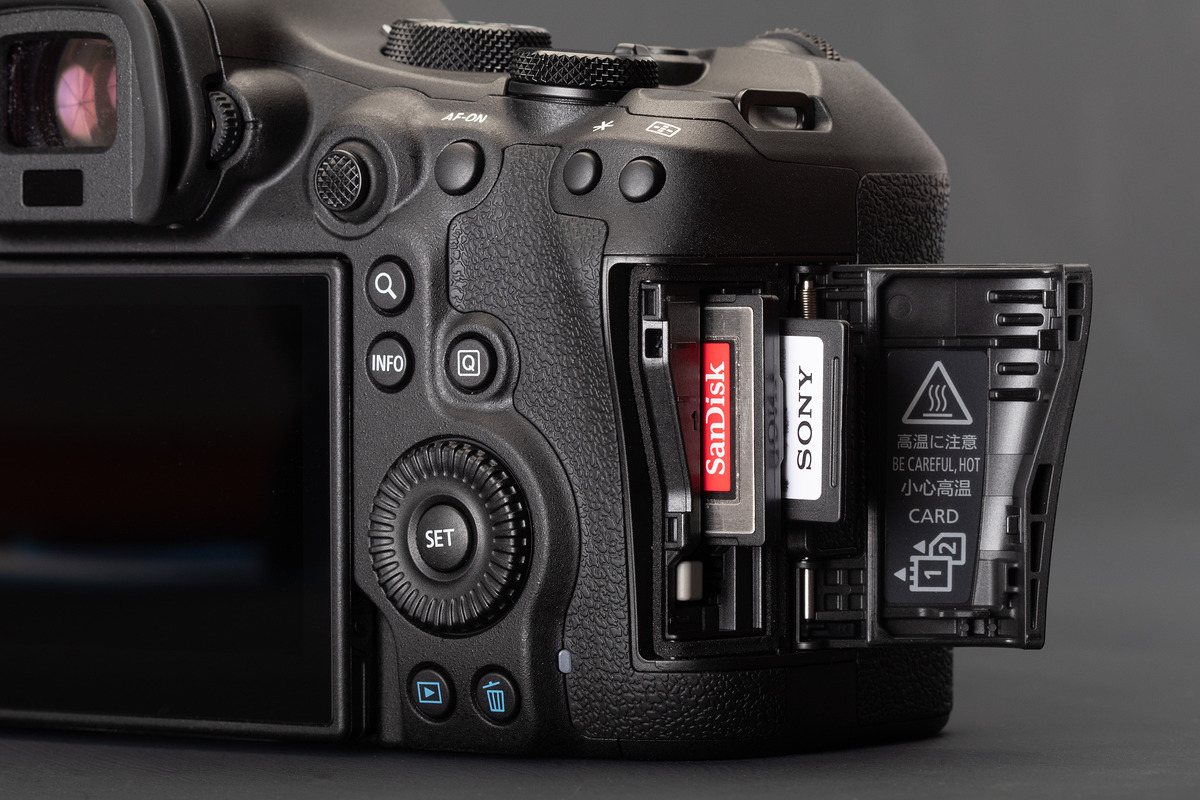
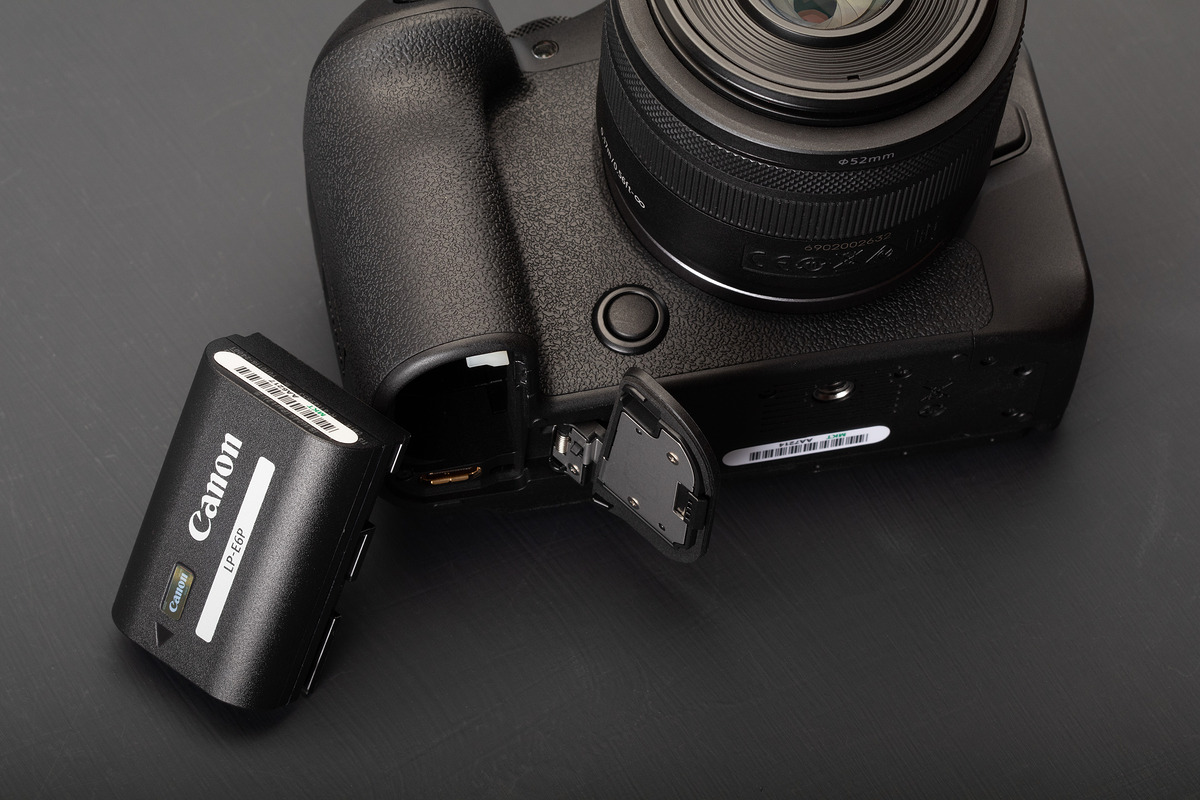
- CFexpress Type B and UHS-II SD dual card slots
- Register People Priority with up to ten faces
Video Capabilities: Bordering on Cinema
The EOS R6 III takes massive leaps in its video features. It gains the ability to record Raw video internally at up to 7K/60 in Canon Cinema Raw format. Perhaps even more exciting for content creators is the new 'open-gate' recording at up to 7K/30, utilizing the entire 3:2 sensor area for unparalleled cropping flexibility in post-production.
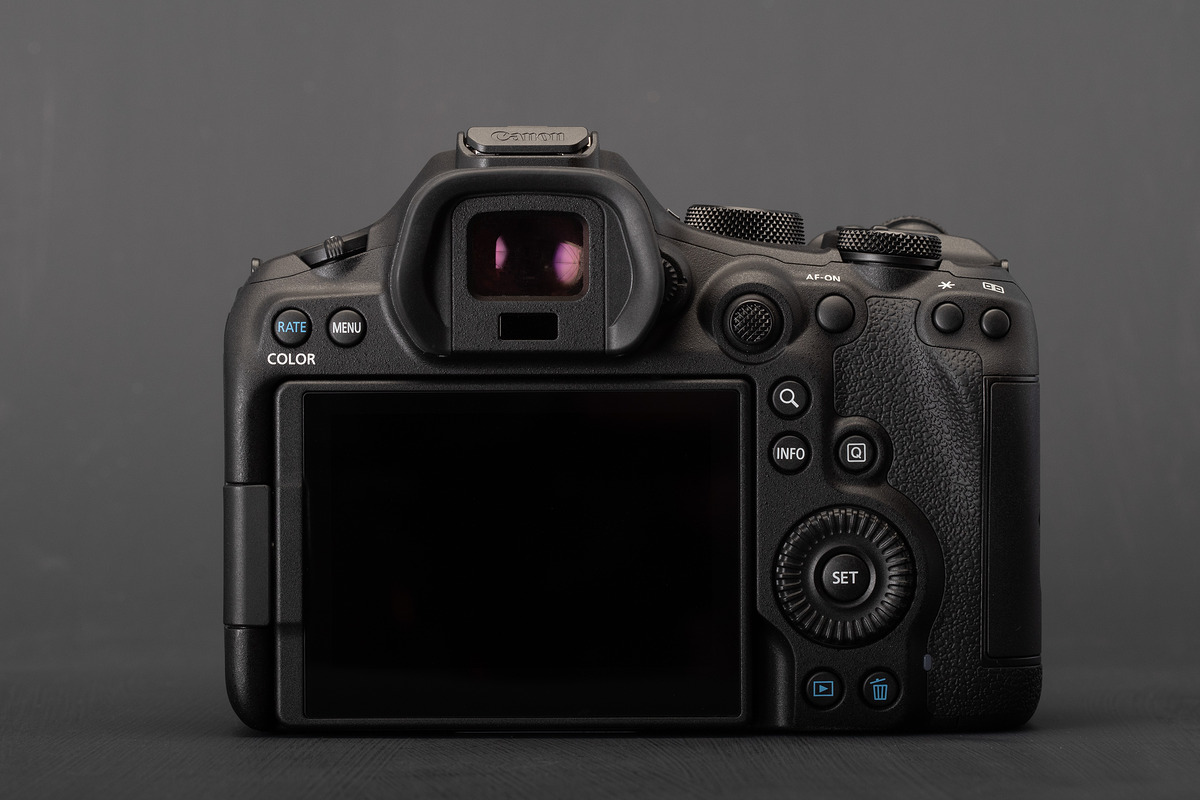
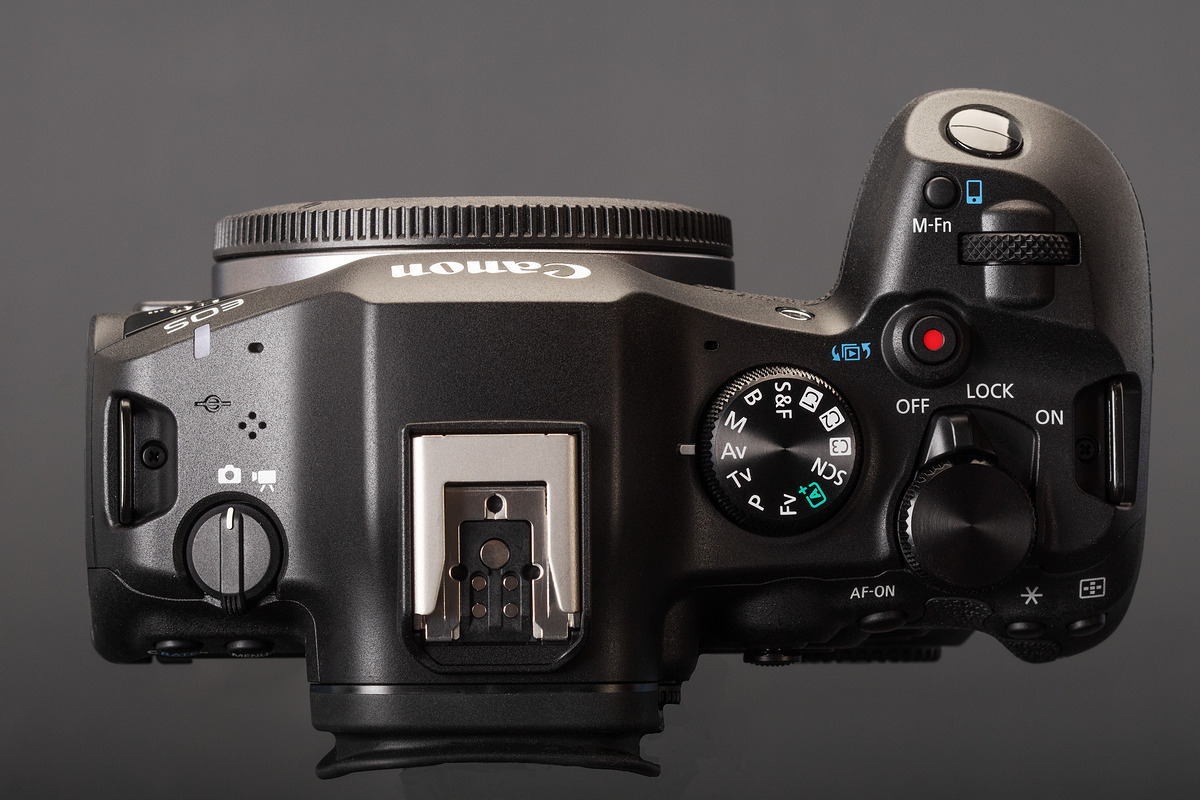
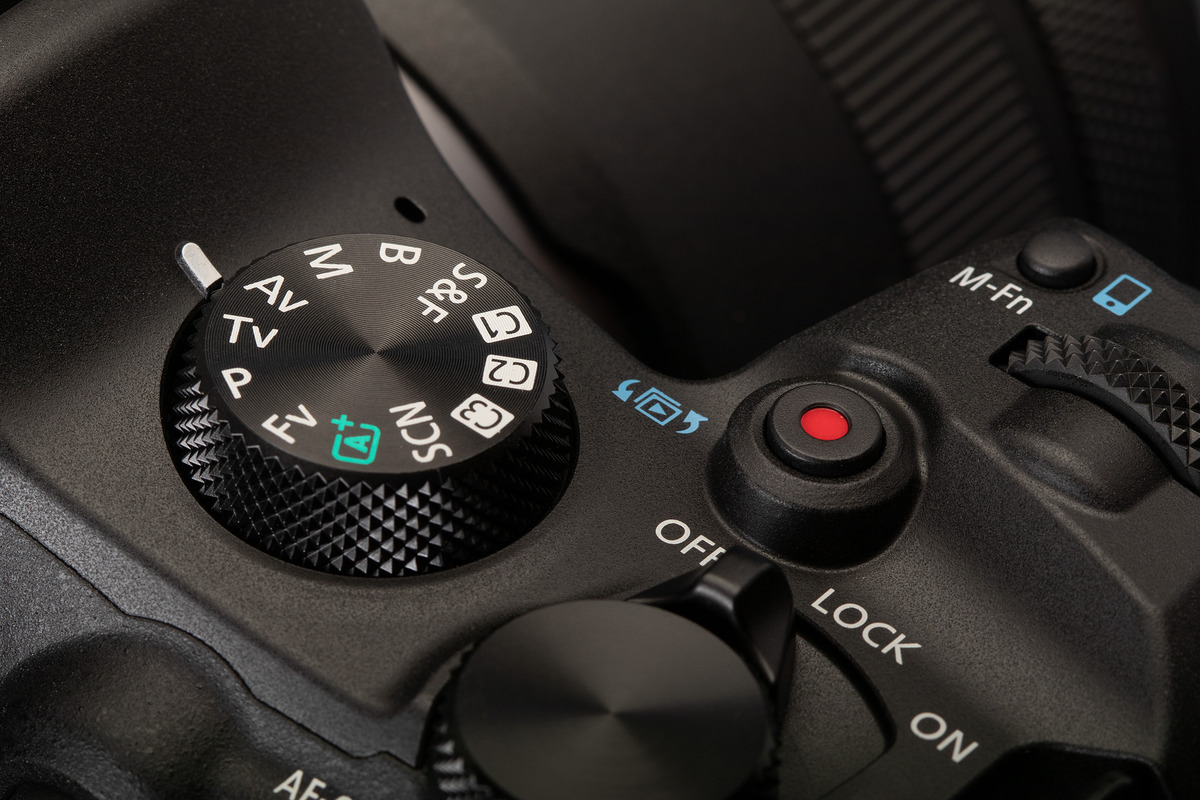
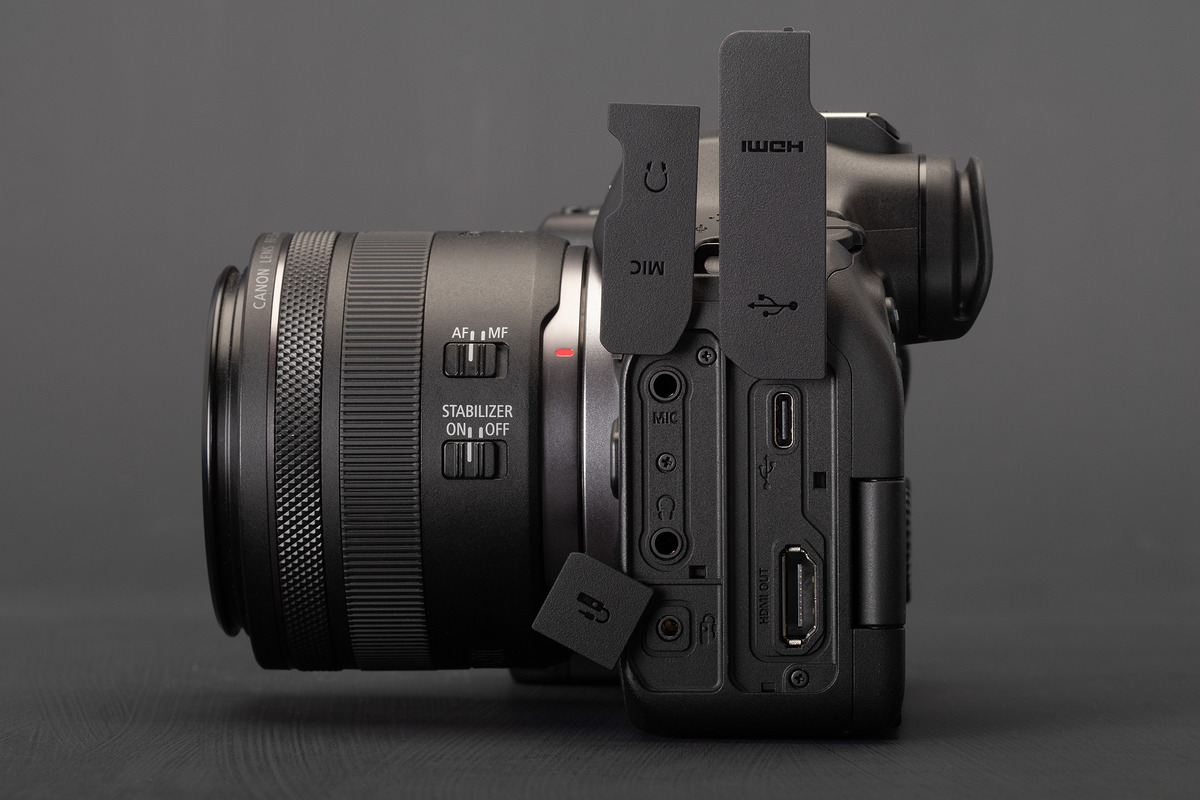
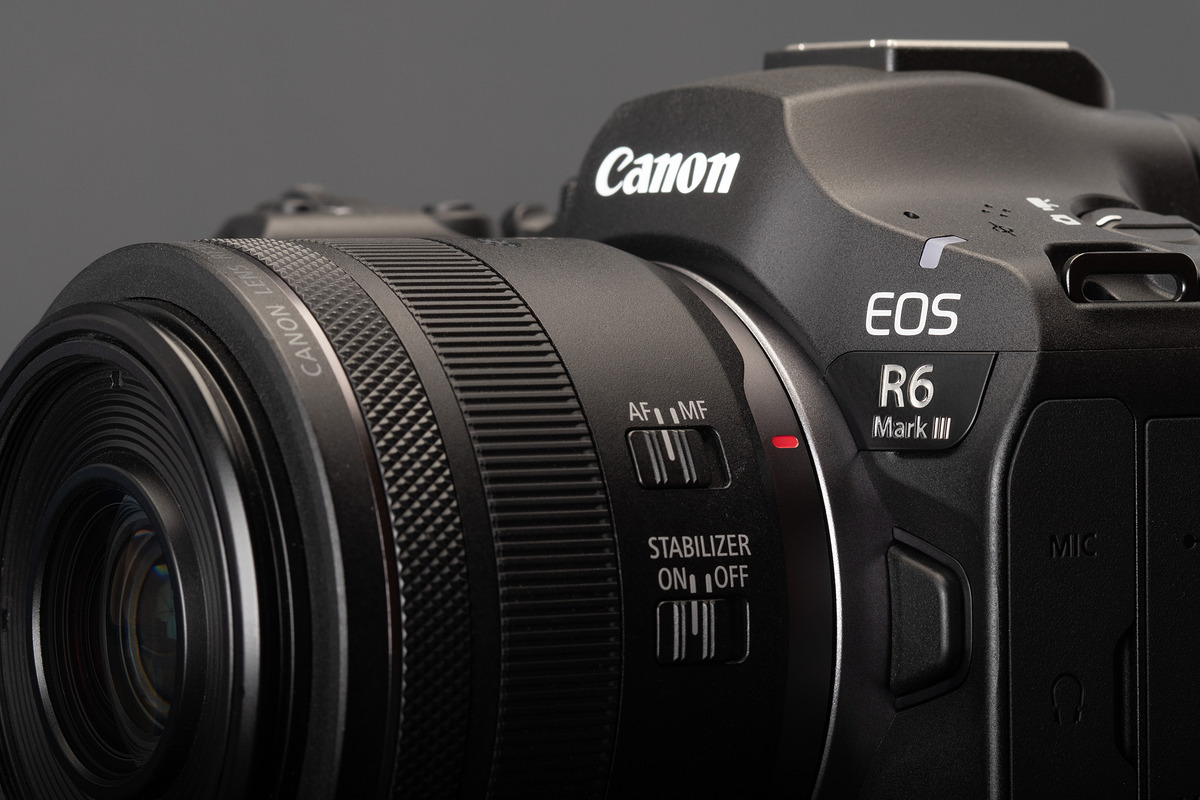
Canon has also improved connectivity and workflows: a full-size HDMI port replaces the fragile microHDMI of the predecessor, and a dedicated red tally lamp clearly indicates when the camera is rolling. False color overlays, waveform monitors, and dual-level zebras round out a remarkably complete set of video assist tools.
Port & Menu Refinements
Canon has vastly improved the menu structure for video recording. Instead of overwhelming you with endless resolution, frame rate, and compression combos, you can now set these independently. Setting custom white balance directly from the live view is now finally possible without jumping into photo mode.
Autofocus: Advanced Tracking
The autofocus interface mirrors Canon’s flagship EOS R5 II and R1. Tracking is incredibly tenacious; once it locks onto a subject, it refuses to let go. The algorithms underpinning the human, animal (dog, cat, bird, horse), and vehicle tracking have been notably refined.
A standout new feature is Register People Priority. You can "train" the camera to prioritize tracking a specific person over others in a crowded scene, making it an invaluable tool for wedding photographers and event shooters.
Image Quality & Performance
As expected, the 32MP sensor captures excellent detail—measurably more than its 24MP competitors—while retaining Canon's beloved color science, particularly in the rich, accurate rendering of skin tones. The dynamic range provides plenty of headroom to lift shadows, though dropping into electronic shutter mode restricts readout to 12-bit, lightly curtailing dynamic range at the absolute extremes.
In-body stabilization (IBIS) gets a bump to 8.5 stops. It handles photography brilliantly and smooths out standard handshakes in video effectively, though extreme cinematic movements might still benefit from a gimbal.
Key Technical Specifications
Pros and Cons
Pros
- Excellent image quality with signature Canon colors
- Dependable, class-leading autofocus tracking
- Full suite of video recording modes (7K Raw & Open Gate)
- Refined ergonomics and highly responsive UI
- 40fps burst rates capable of capturing any action
- Strong IBIS performance up to 8.5 stops
Cons
- Subsampled video modes (4K/120) lack fine detail
- Noticeable dynamic range drop in e-shutter mode
- Overheating limits present in ambitious video modes
- Filling the buffer causes noticeable processing delays
- Canon tightly controls the RF mount third-party lens ecosystem
Final Verdict
The Canon EOS R6 III is a triumph in the hybrid space. It effectively resolves the rough edges of past models—offering custom white balance in video, proper full-size HDMI, and simplified pre-burst modes—delivering a supremely refined user experience. While it has minor foibles, like subsampling on high frame rate video, the detail of its 32MP sensor and the inclusion of 7K open gate recording make it an absolute powerhouse. It genuinely proves we are moving past the "jack of all trades, master of none" era; the R6 III is a master of most.
Best suited for:
Hybrid shooters, event/wedding photographers, and content creators demanding speed and flexibility.
Less suited for:
Those needing endless 4K/120p recording in extreme heat without any crop or detail loss.
Order the Canon EOS R6 III now from CameraMix
Free fast shipping on orders over 440 SAR • Comprehensive warranty • Customer service 920033494
Exclusive Content — Evaluated by CameraMix Lab © 2026

Leave a comment