



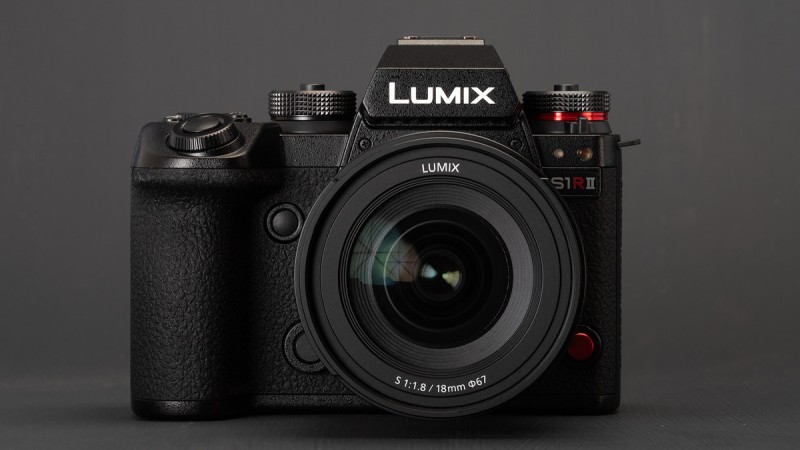
Panasonic Lumix S1R II Review
A High-Resolution Hybrid Camera for Those Who Need Both Stills and Video
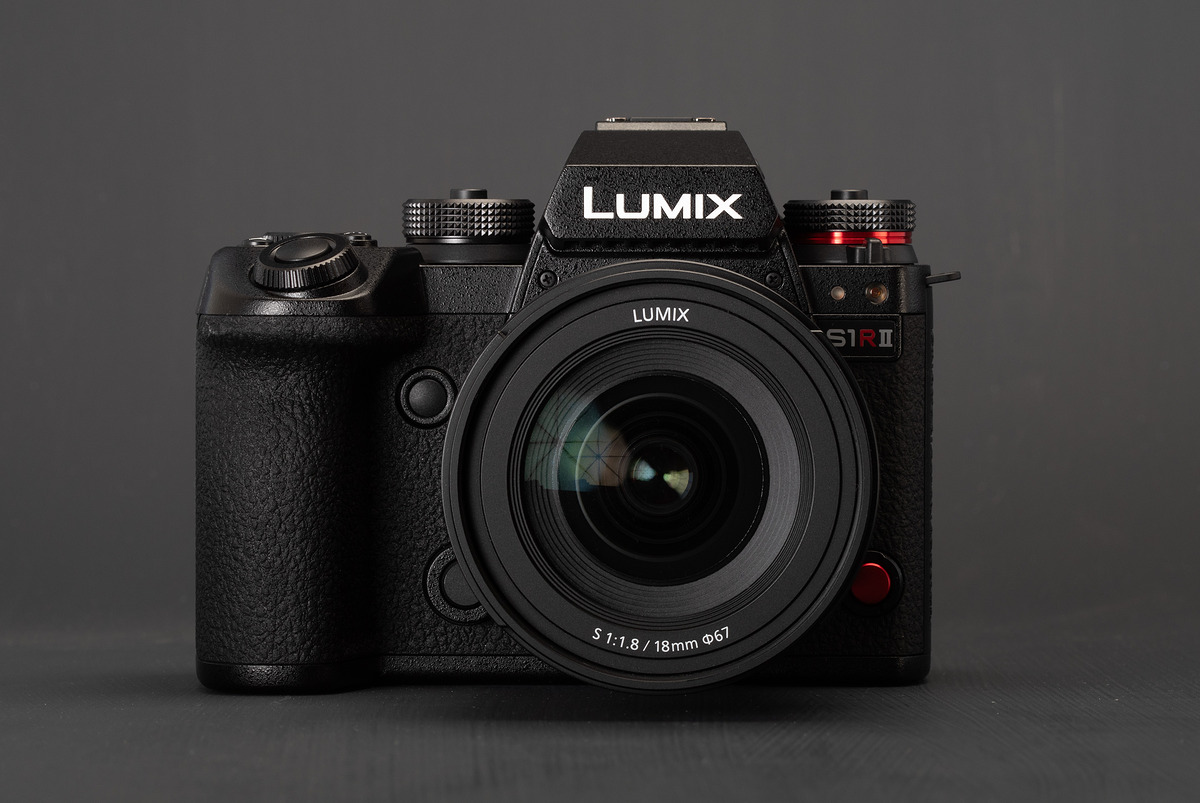
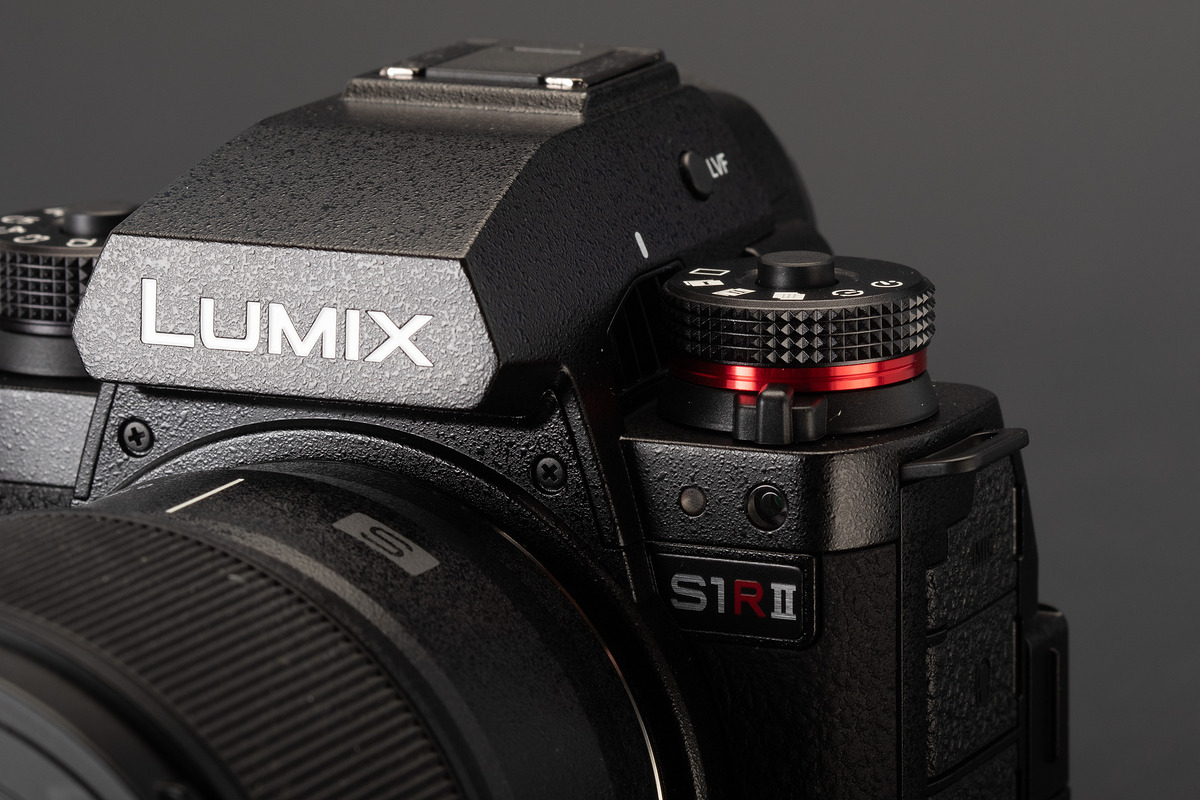
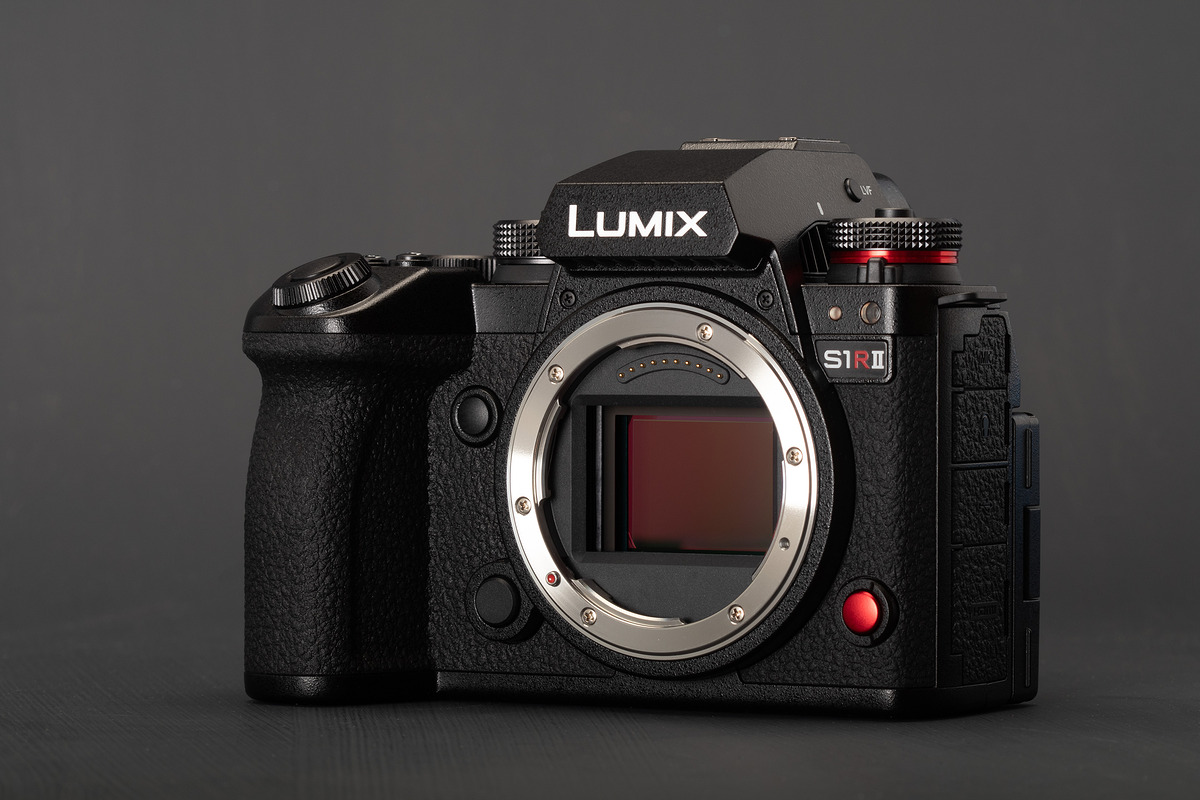
A full-frame mirrorless camera with a 44.3MP sensor, 8K/30 and 4K/120 recording, Open Gate 3:2 support, Phase Hybrid AF, and up to 8 stops of in-body image stabilization, all packed into a professional body built for advanced photography and video production.


Order the Panasonic Lumix S1R II from CameraMix
Check the current price and live availability on the official CameraMix product page.
First Look: What Does the S1R II Actually Offer?
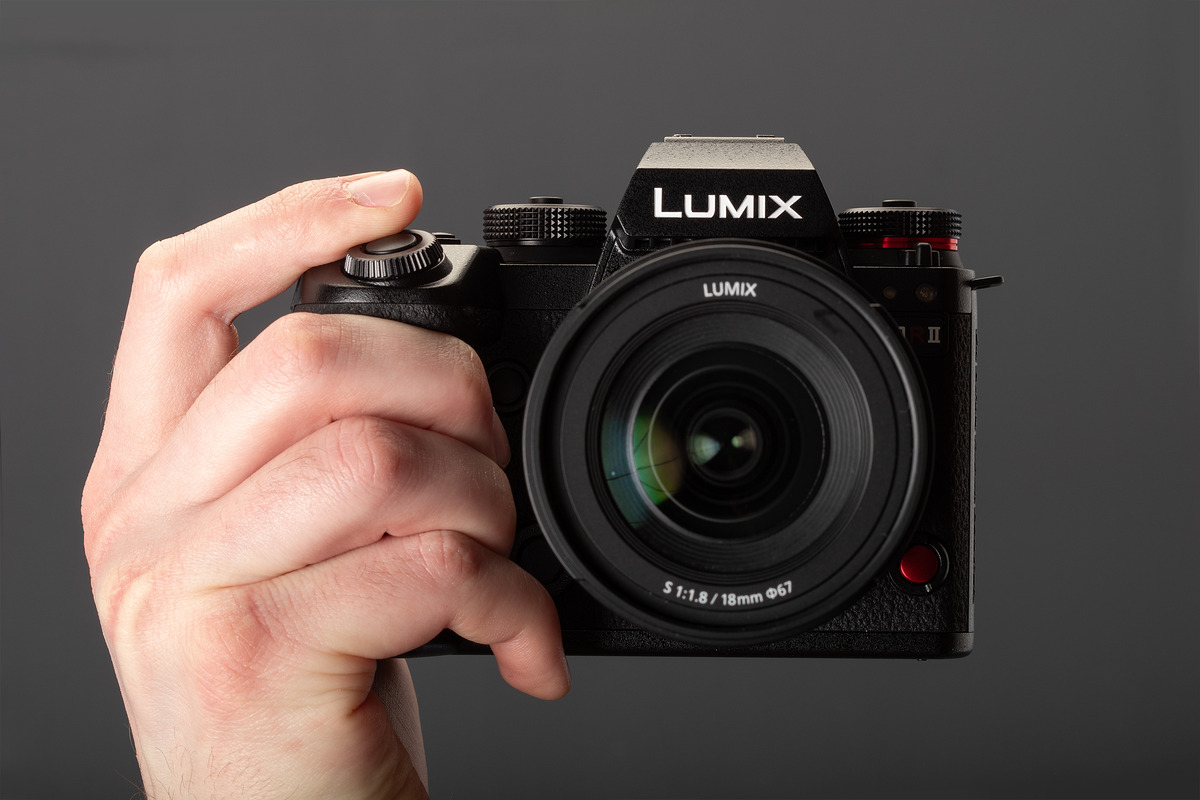
The Panasonic Lumix S1R II arrives as a full-frame hybrid camera aimed at photographers who want high-resolution stills without sacrificing serious video capability. This is not simply a numbers-only update over the previous generation, but a more modern and more flexible camera designed to bring professional photography and advanced video production together in one body.
On paper, the specifications are very impressive: a 44.3MP sensor, 8K/30p recording, 4K/120p, Open Gate 3:2 modes, up to 40fps electronic burst shooting, a 5.76M-dot OLED EVF, and in-body stabilization rated up to 8 stops. But the real value of this camera shows when you look at how well these features are balanced in real-world use.
Key Highlights of the Panasonic Lumix S1R II
- 44.3MP full-frame sensor ideal for detail, printing, and cropping
- 8K/30 and 4K/120 video with Open Gate 3:2 support
- RAW burst shooting up to 40fps with the electronic shutter
- Phase Hybrid AF with 779 points and AI-powered subject tracking
- Up to 8 stops of stabilization with Active I.S. for video
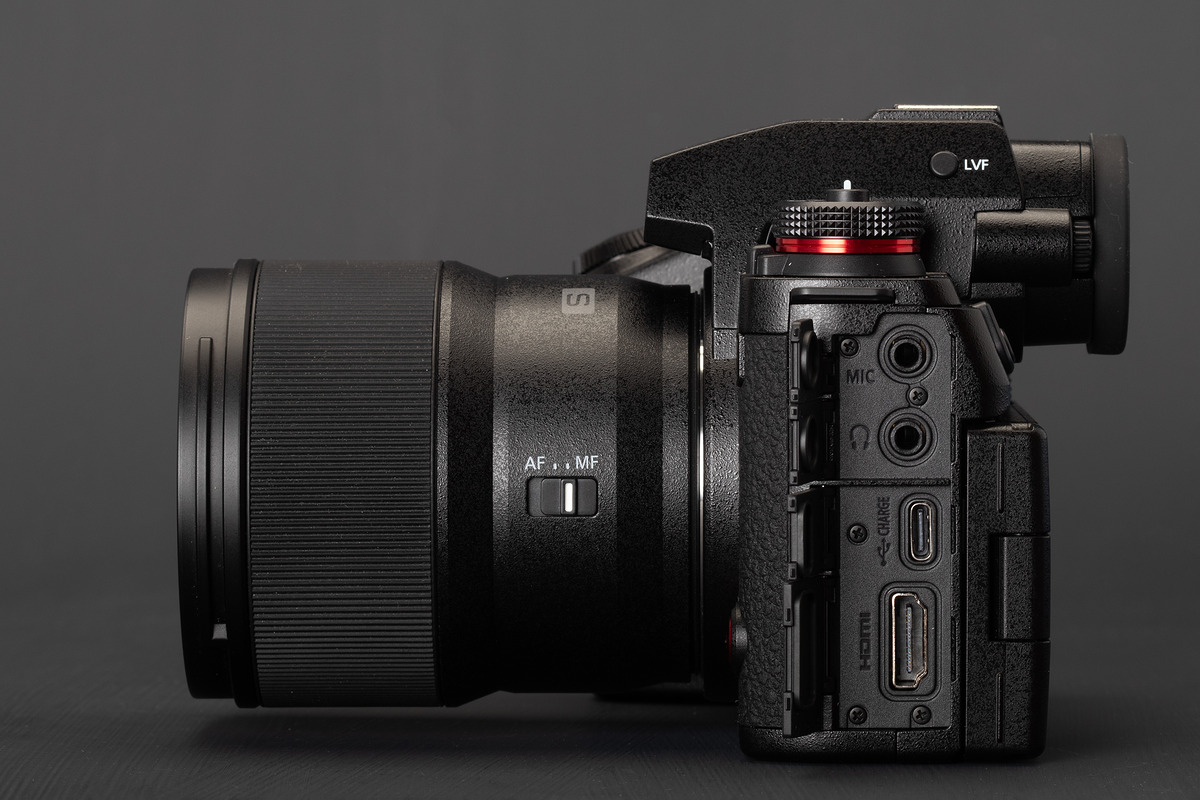
- ProRes 422 and ProRes RAW with recording to CFexpress or external SSD
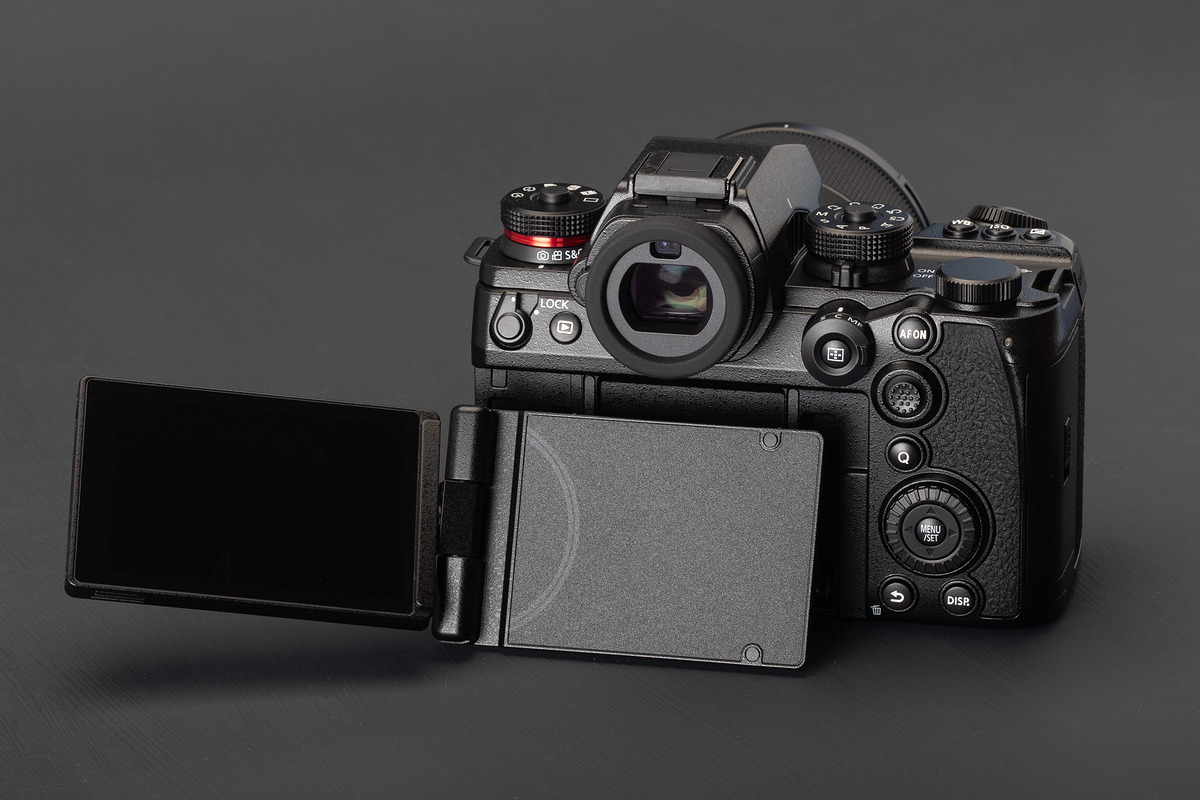
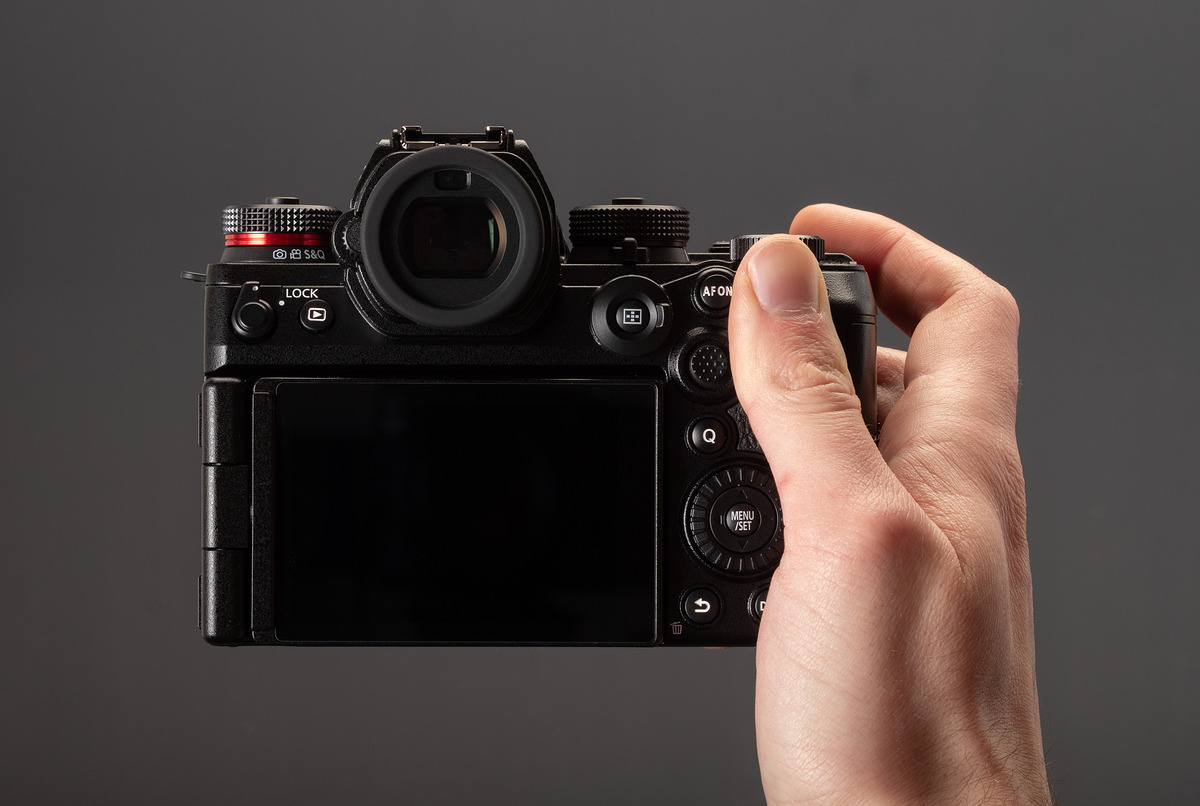
- Tilt + fully articulating screen designed for both stills and video
Sensor and Image Quality
The camera is built around a new 44.3MP full-frame sensor, which is a smart choice from Panasonic. The resolution is high enough to deliver richly detailed files, yet not so excessive that it pushes the camera into unnecessarily heavy workflows or extreme performance compromises, as can sometimes happen with certain 60MP+ models.
In practical use, this resolution class makes the S1R II excellent for product photography, portrait work, commercial imaging, nature, and any project where cropping flexibility and reframing matter. In addition, the High Resolution modes can generate composite files up to 177MP when shooting conditions are suitable, making it especially powerful for static scenes and fine detail capture.
Practical Note
The real strength of the S1R II on the stills side is not just the megapixel count, but the overall file quality and flexibility, making it a strong option for photographers who want images built for professional post-processing, not just impressive numbers on a spec sheet.
Video: The Camera’s Biggest Strength
If video is your top priority, the S1R II enters the competition as a genuinely serious contender. The camera offers 8K/30p, 4K/120p, and Open Gate 3:2 recording modes that provide excellent flexibility for reframing both horizontal and vertical content. That makes it especially attractive for content creators, commercial production, advertising, and even certain cinema-oriented workflows.
What elevates the camera further is its complete video ecosystem: support for ProRes 422, ProRes RAW, professional monitoring tools such as False Color and Waveform, 32-bit float support through the optional XLR2 unit, and external SSD recording. Simply put, Panasonic has not treated video here as a side feature, but as a core part of the camera’s identity.
That said, one point must be stated clearly: this camera is not the fastest when it comes to rolling shutter compared with rivals using stacked sensors. So if your work depends heavily on fast motion, whip pans, or high-speed sports, there are other options that offer faster sensor readout.
Autofocus and Stabilization
The camera features a Phase Hybrid AF system with 779 points and subject detection for humans, animals, cars, motorcycles, trains, and airplanes, along with obvious AI-based improvements over older Panasonic generations. In general use, the performance is very good, especially for people, everyday scenes, and hybrid creator workflows.
At the same time, it is important for the review to stay honest: fast-moving subject tracking is still less dependable than the very best systems from Canon, Sony, and Nikon in this class. So if your main focus is fast sports or highly unpredictable action, this is not where the S1R II holds the strongest advantage.
On the other hand, in-body stabilization is among the best currently available in hybrid cameras. The combination of 8-stop 5-axis B.I.S. and Active I.S. gives the camera a very strong presence in handheld shooting, especially for video and moving scenes.
Design, Build, and User Experience
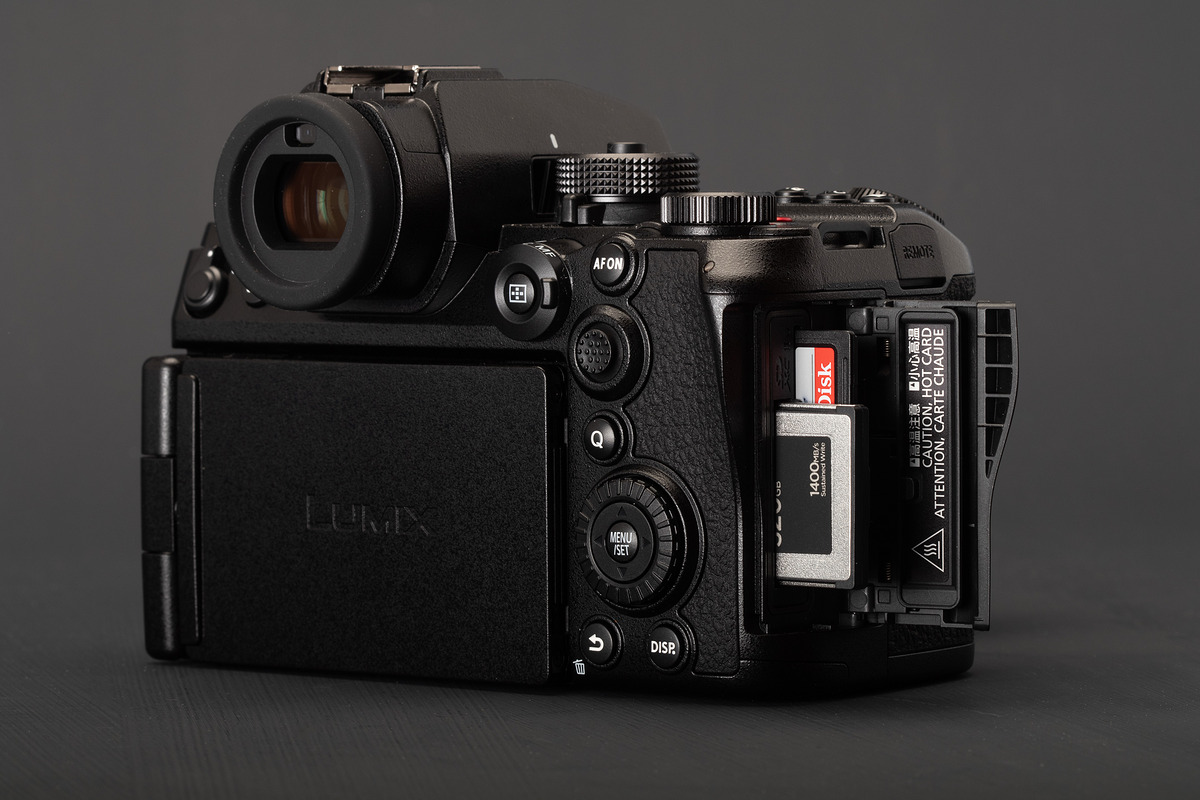
One of Panasonic’s best decisions here is the combination of a Tilt + Fully Articulating display. This style of screen works well for photographers who prefer keeping the display aligned with the lens axis, while also serving video creators who need a fully flexible monitor. The result is extremely practical in daily use.
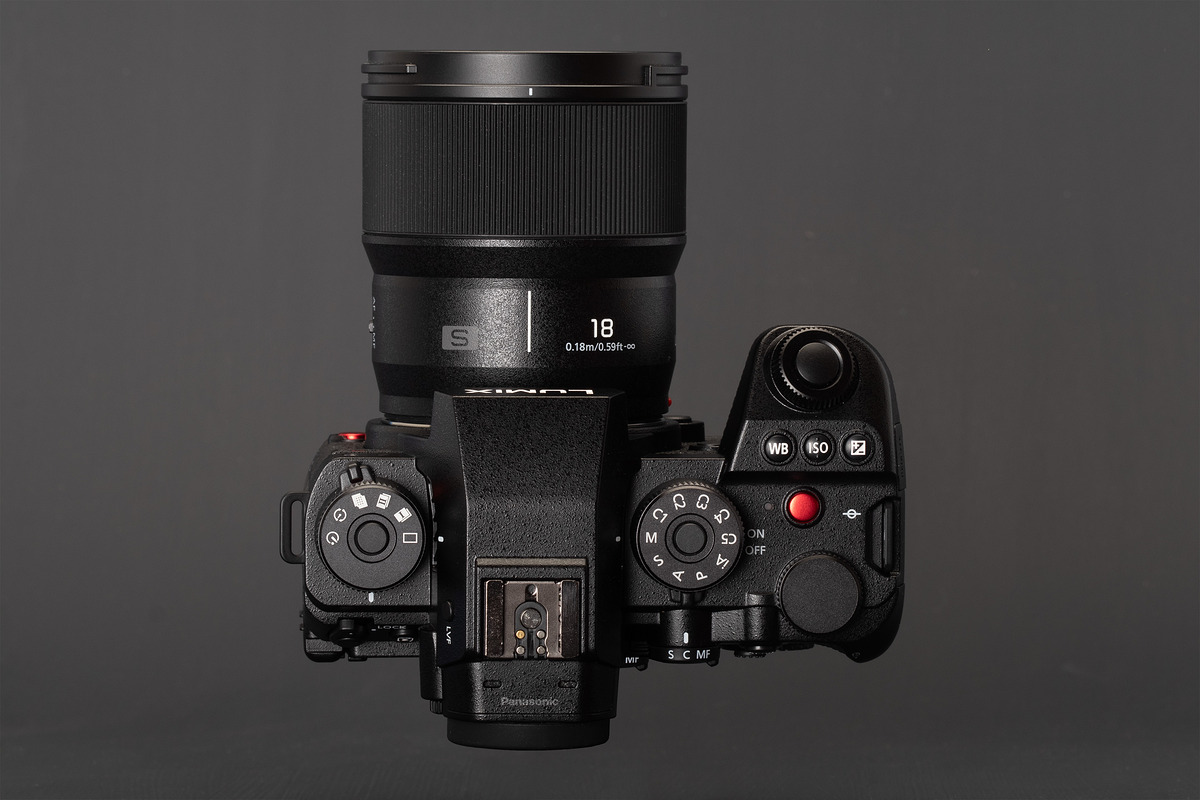
In addition, the camera offers a 5.76M-dot electronic viewfinder with 0.78x magnification, along with a flexible dual-card setup: CFexpress Type B and SD UHS-II. The body is more comfortable than the original generation, and the weight remains within a professional range, making it well suited for serious work with larger L-Mount lenses.
Pros and Cons
Strengths
- Excellent image quality with flexible files for editing
- A truly advanced video system, not just a checkbox feature
- 8K/30, 4K/120, and Open Gate 3:2 in one body
- Outstanding stabilization for handheld shooting
- Very practical screen design for both stills and video
- ProRes, RAW, and genuinely professional video workflows
- A mature and versatile L-Mount lens ecosystem
Weaknesses
- AF tracking is good, but not the best for sports and fast motion
- Rolling shutter is higher than some stacked-sensor rivals
- Battery life is decent, but not a major advantage
- Buffer depth is not the strongest compared to some pricier competitors
- RAW video is useful for professionals, but adds heavier post-production demands
Final Verdict
Panasonic Lumix S1R II is a very mature and highly convincing hybrid camera for users who want a real blend of high-resolution stills and professional-grade video. It is not the fastest when it comes to subject tracking, nor is it the best in sensor readout speed compared with more expensive stacked-sensor competitors, but it delivers a smart, balanced, and extremely capable package.
If your work focuses on commercial content, product photography, premium content creation, portraiture, advertising, and advanced video production, this is one of the strongest options in its class. However, if your primary work involves very fast sports or action where autofocus reliability must be nearly flawless, there are other cameras that have a clearer advantage in that specific area.
Who Is This Camera For?
This camera is ideal for photographers and content creators who do not want to carry two separate bodies: one for stills and another for video. It is also especially well suited to product photographers, commercial production, professional YouTube projects, interviews, advanced documentary work, and any workflow that demands both high-quality files and significant flexibility in post-production.
In short: the S1R II is not just a 44MP camera with 8K, but an advanced hybrid production tool whose greatest strength lies in the completeness of the overall experience rather than being the absolute speed champion in every single scenario.
View the Panasonic Lumix S1R II now at CameraMix
Direct link to the official product page in the store.

1 Comment(s)
للأمانة، هذه الكاميرا مظلومة كثيرًا في مجتمع المصورين. أغلب التركيز يكون على فئات محددة من سوني أو كانون، رغم أن إمكانيات لومكس تضعها في منافسة قوية معهم، بل وتتفوق عليهم في بعض الجوانب.
Leave a comment