




DJI Osmo Pocket 4 vs Insta360 Luna Ultra
Which Pocket Gimbal Camera Should You Choose?
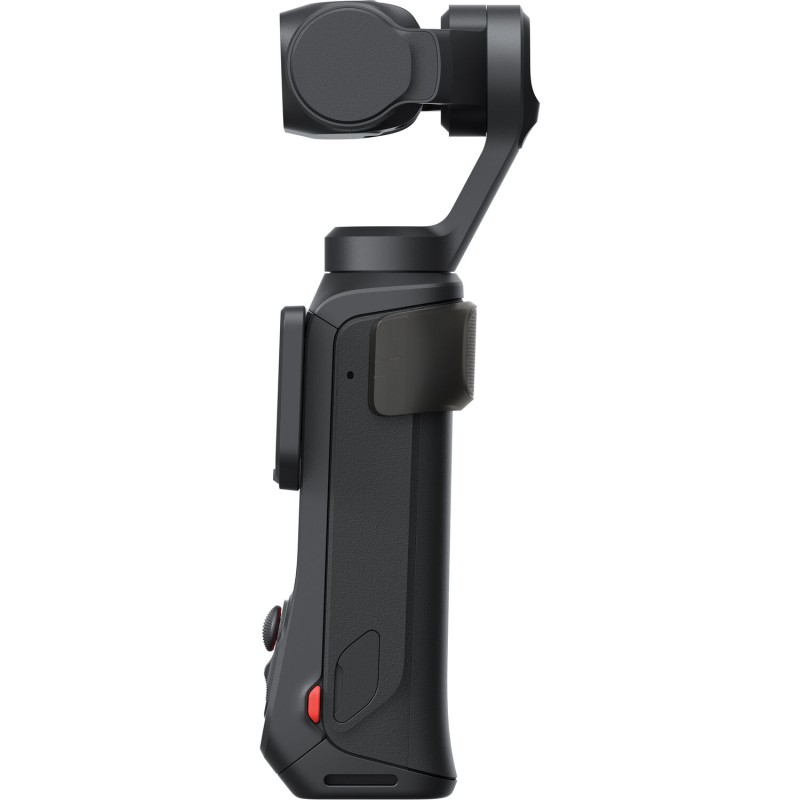
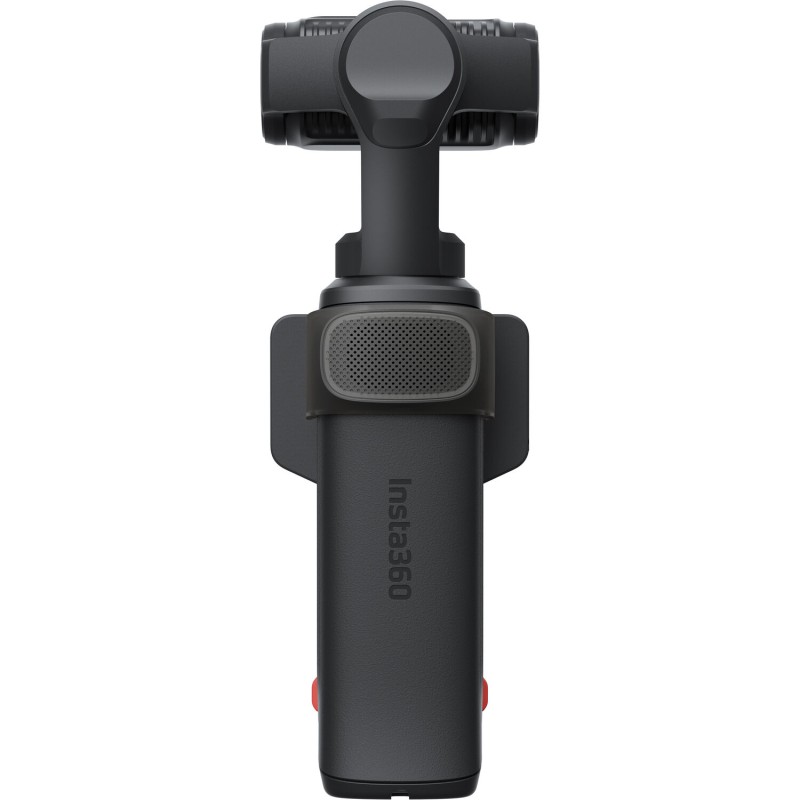
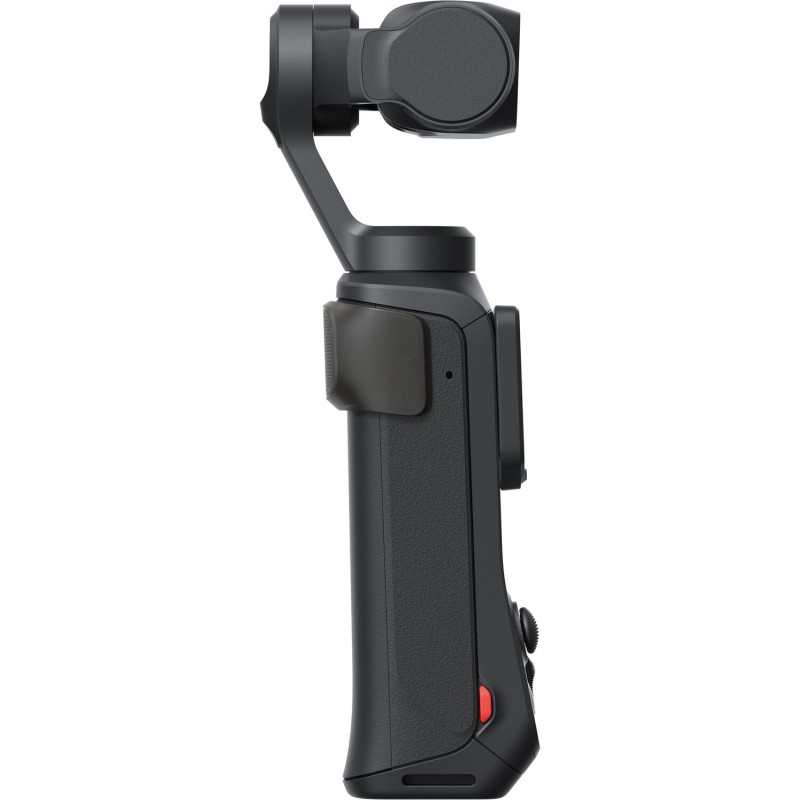
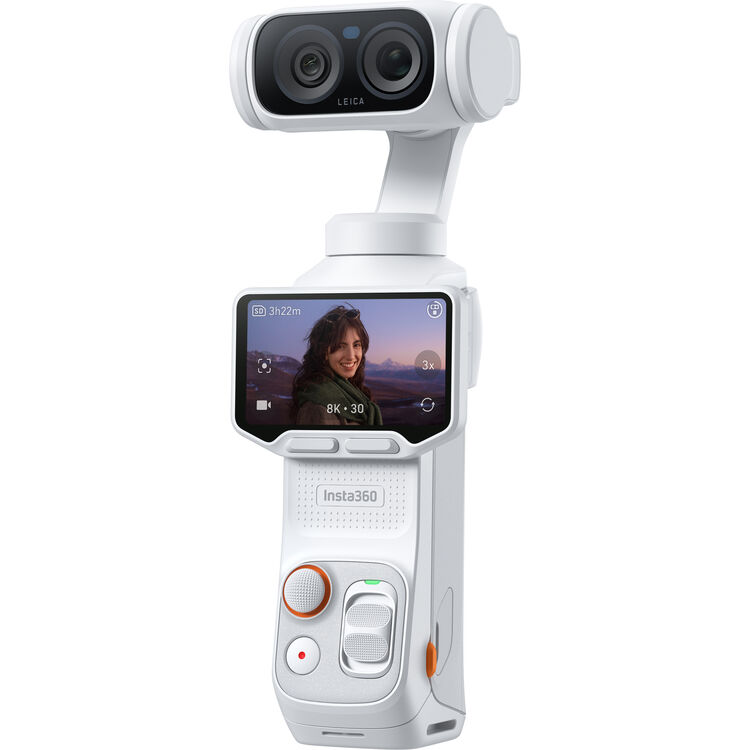
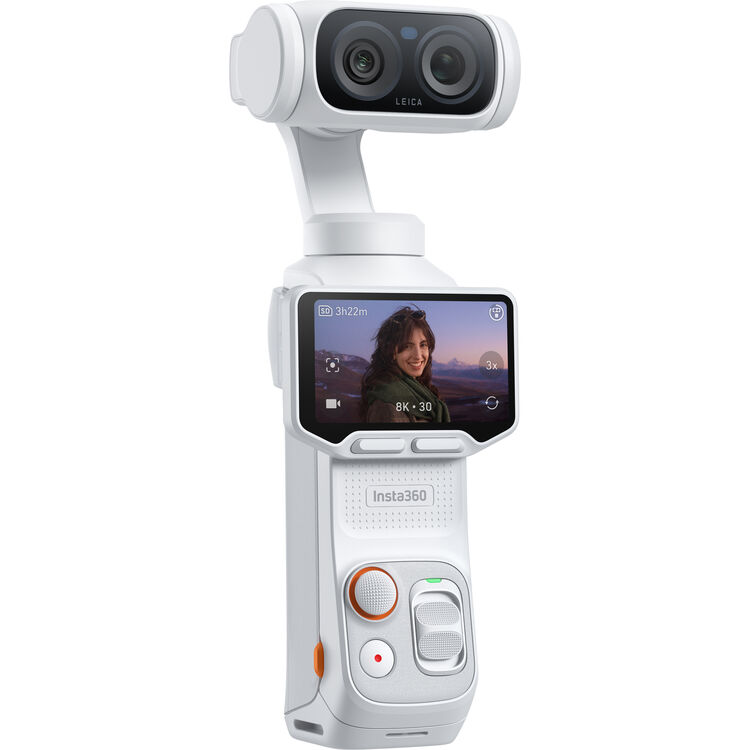
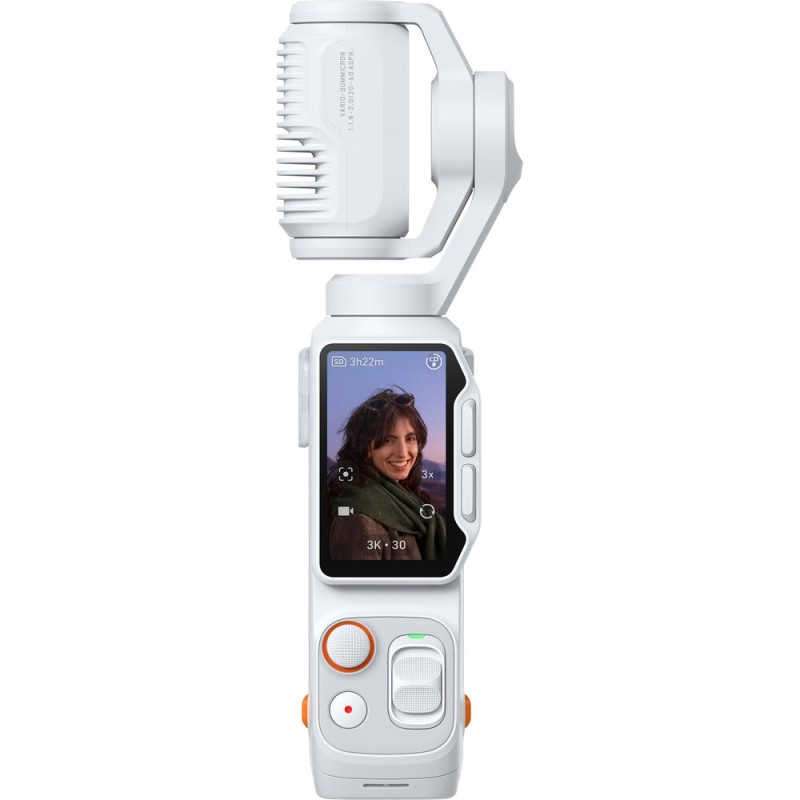
A deep, professional comparison between two of the most advanced pocket gimbal cameras of 2026: the DJI Osmo Pocket 4, the refined fourth generation of the most popular pocket gimbal on the market, and the Insta360 Luna Ultra, with its dual Leica lenses, 8K video, and industry-first detachable screen.
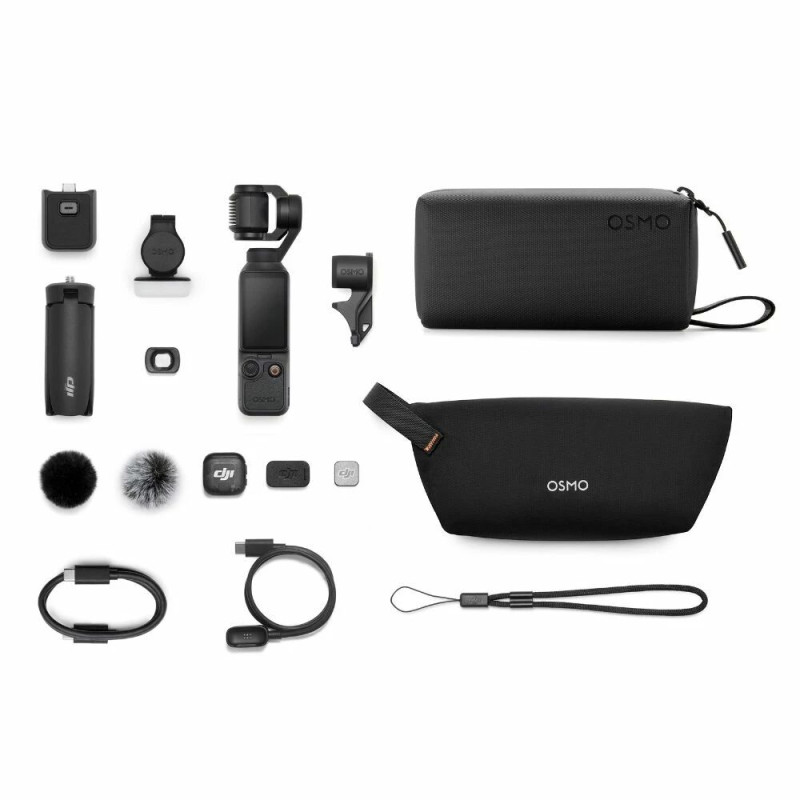
DJI Osmo Pocket 4
The most refined and reliable everyday shooter, with the smoothest physical controls, mature DJI microphone support, 4K slow motion up to 240fps, huge fast internal storage, and the lightest, most pocketable body of the two.
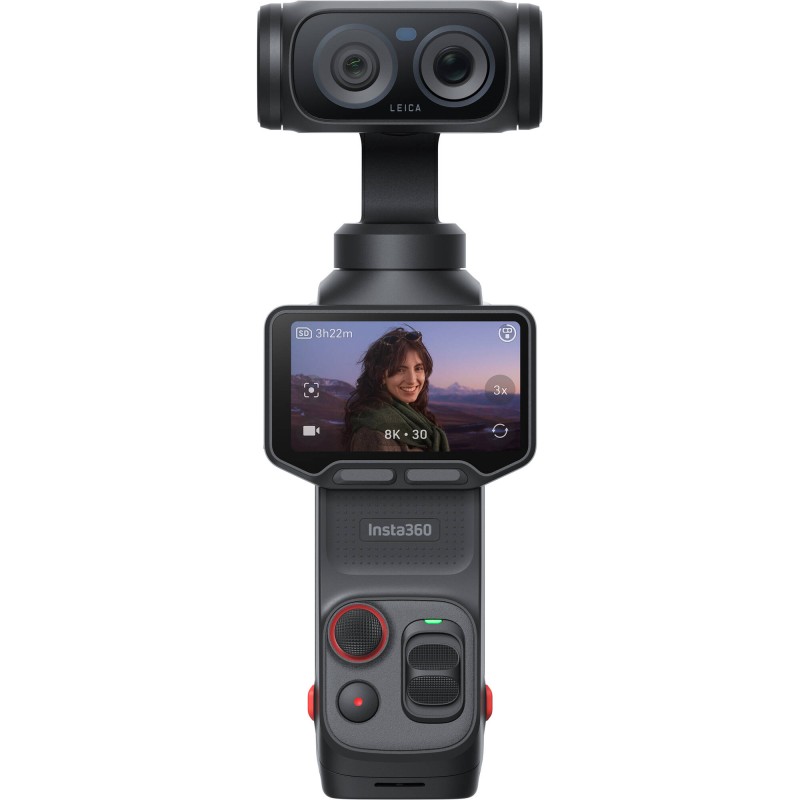
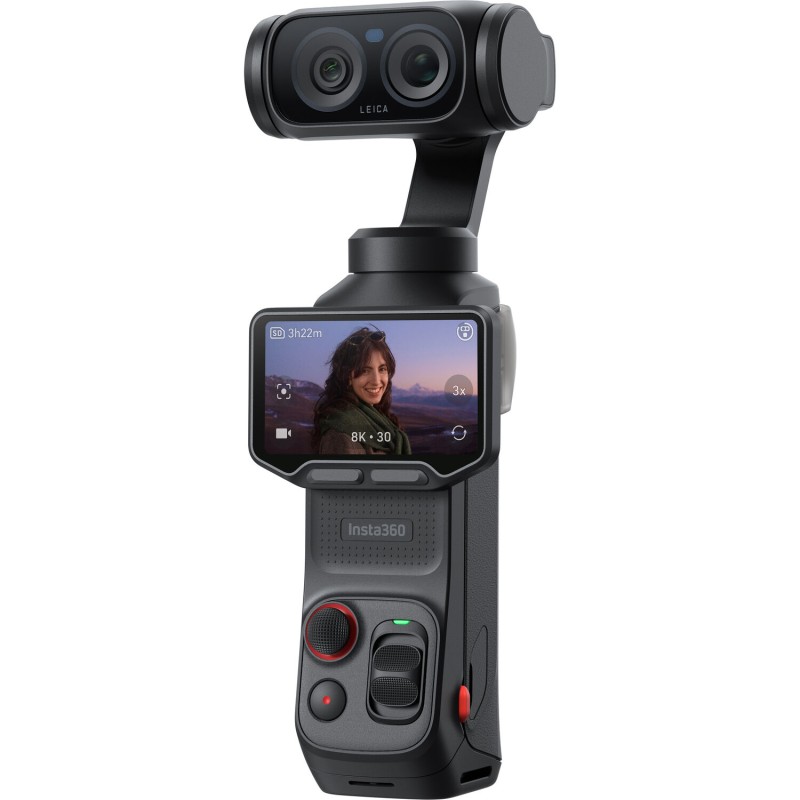
Insta360 Luna Ultra
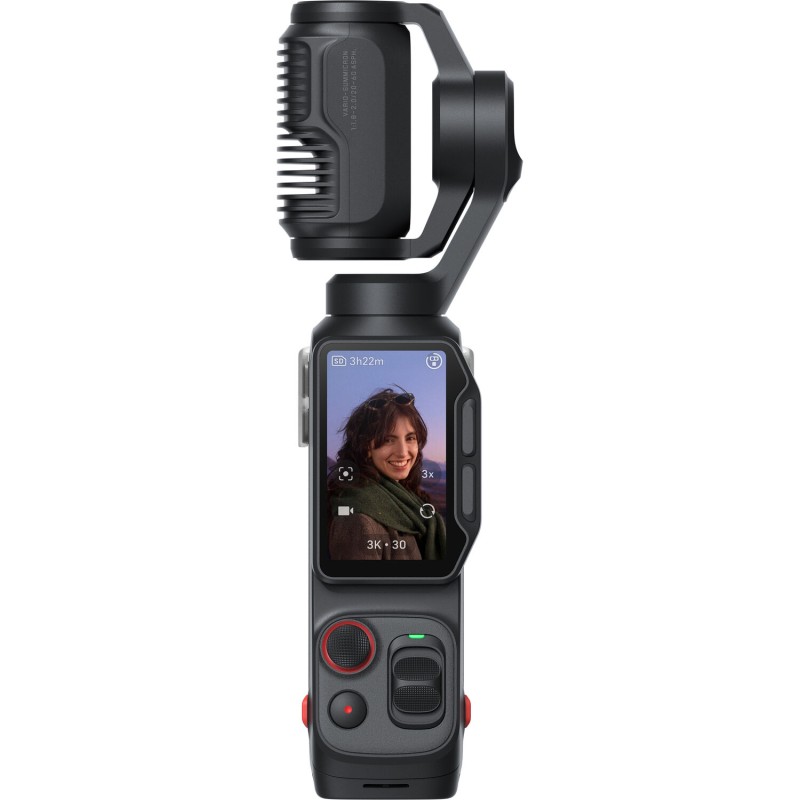
The most capable and flexible pocket camera in this matchup, thanks to its dual Leica lenses with a real 60mm telephoto, up to 8K video, a detachable screen that works as a wireless remote, expandable storage, and long battery life for creators who want maximum creative range.

Order Your Pocket Gimbal Camera Now from CameraMix
Fast Shipping • Comprehensive Warranty • Expert Support Before and After Purchase • Customer Service 920033494
-800x800.jpg)
-800x800.jpg)
-800x800.jpg)
Quick Summary: The Real Difference Between the Osmo Pocket 4 and the Luna Ultra
The DJI Osmo Pocket 4 and the Insta360 Luna Ultra belong to the same fast-growing category: compact, pocket-sized cameras built around a mechanically stabilized 3-axis gimbal, made for creators who want smooth, professional-looking video without carrying a full rig. Both deliver a 1"-class sensor, 10-bit log recording, up to 14 stops of dynamic range, 37MP stills, advanced AI subject tracking, a bright OLED touchscreen, and directional multi-microphone audio — all in a body small enough to slip into a jacket pocket.
The real difference comes down to philosophy. The Osmo Pocket 4 is the fourth generation of the most popular pocket gimbal on the market, and it focuses on refinement rather than reinvention: a single, excellent 20mm lens, a polished shooting experience, real physical controls, DJI's mature microphone ecosystem, and 4K slow motion up to 240fps. The Luna Ultra is Insta360's first gimbal camera, and it enters the market as the more ambitious device: two Leica-engineered lenses — a 20mm wide and a genuine 60mm telephoto, each with its own sensor — up to 8K recording, and an industry-first detachable OLED screen that doubles as a wireless remote monitor.
Choose the DJI Osmo Pocket 4 if you want:
- The most refined, proven pocket gimbal with the smoothest controls.
- 4K slow motion up to 240fps for high-frame-rate action.
- Direct wireless pairing with DJI Mic 2, Mic 3, and Mic Mini.
- A lighter, more compact body with huge fast internal storage.
Choose the Insta360 Luna Ultra if you want:
- Dual Leica lenses with a real 60mm optical telephoto for cinematic reach.
- Up to 8K resolution with Dolby Vision on both lenses.
- A detachable screen that works as a wireless remote monitor with its own mic.
- Expandable microSD storage plus 200MP panorama and Leica color profiles.
Technical Comparison Table
| Category | DJI Osmo Pocket 4 | Insta360 Luna Ultra | Winner |
|---|---|---|---|
| Camera System | Single lens: 20mm f/2.0 wide | Dual lens: 20mm f/1.8 wide + 60mm f/2.0 telephoto | Luna Ultra |
| Sensors | New 1"-type CMOS | 1"-type (main) + 1/1.3"-type (telephoto) | Luna Ultra |
| Max Video Resolution | UHD 4K up to 60p | UHD 8K up to 30p with Dolby Vision | Luna Ultra |
| Slow Motion | 4K up to 240fps | 4K up to 120fps, 1080p up to 240fps | Osmo Pocket 4 |
| Zoom | 2x lossless at 4K, up to 4x at 1080p (digital) | 3x optical, 6x lossless, up to 12x digital | Luna Ultra |
| Dynamic Range & Log | 14 stops, true 10-bit D-Log | 14 stops, 10-bit I-Log | Tie |
| Color Science | DJI color science, 6 film-tone filters | Leica color profiles, ACES support, QR Color Share | Practical tie Pocket for proven D-Log Luna for Leica & ACES |
| Still Photos | Up to 37MP with DNG RAW | Up to 37MP, plus 200MP panorama mode | Luna Ultra |
| Display | Rotatable 2" OLED, 1000 nits, 100% P3 | Detachable 2" OLED, 1000 nits, remote monitor with built-in mic | Luna Ultra |
| Stabilization | 3-axis mechanical gimbal + protective gimbal clamp | 3-axis mechanical gimbal | Tie Pocket for clamp & refinement |
| AI Tracking | ActiveTrack 7.0 (Spotlight Follow, Dynamic Framing, gesture control) | Deep Track 5.0 (Active Zoom, Group, Smart Framing) | Tie Pocket more proven at zoom |
| Audio & Mic Ecosystem | 4-channel audio, OsmoAudio; DJI Mic 2/3/Mini (Bluetooth), Mic 3 in Combo | 4-mic array + handle mic, wind guard; Insta360 Mic Air/Pro (Bluetooth) | Tie Pocket for wider mic support |
| Physical Controls | 5D joystick + dedicated zoom button + custom preset button | Touchscreen + joystick | Osmo Pocket 4 |
| Storage | 107GB built-in, USB 3.1 (up to 800 MB/s) | 47GB internal + microSD (up to 1TB) | Depends on need Pocket for larger internal Luna for expandable |
| Connectivity | Wi-Fi 6, Bluetooth LE 5.4, fast USB 3.1 transfer | Wi-Fi 6, Bluetooth | Osmo Pocket 4 |
| Battery Life | 1545mAh, approx. 4 hours (135 min at 4K60), 80% in 18 min | 1550mAh, approx. 4 hours, 80% in 23 min | Tie Pocket charges faster |
| Size & Weight | Approx. 190.5 g, 144.2 x 44.4 x 33.5 mm | Approx. 233 g, 52.4 x 169.9 x 38.5 mm | Osmo Pocket 4 |
| Product Maturity | Fourth-generation, highly refined platform | First-generation gimbal camera (firmware still maturing) | Osmo Pocket 4 |
Design and Handling
Both cameras follow the now-familiar pocket-gimbal shape: a tall, slim body with the stabilized camera head at the top, a touchscreen on the front, and a comfortable grip for one-handed self-recording. Each one is genuinely pocketable, shoots both vertically and horizontally, and is built primarily for creators who film themselves.
The DJI Osmo Pocket 4 is the more refined device in the hand. It adds a 5D joystick, a dedicated zoom button, and a customizable preset button, so you can change settings without diving into menus mid-shot, plus a new gimbal clamp that locks the camera head during transport to prevent accidental startups and protect the motors. It is also lighter (around 190g) and more compact. The Insta360 Luna Ultra is slightly larger and heavier (around 233g), but it earns that size with its standout feature: the 2" OLED screen detaches completely and becomes a wireless remote monitor with its own built-in microphone, letting you frame group shots, tripod setups, and self-directed scenes from a distance.
CameraMix Note
If you want the lightest, most refined everyday shooter with the smoothest controls and the widest microphone support, the Osmo Pocket 4 is the more polished tool. If you shoot mostly solo and value telephoto reach, 8K resolution, and controlling the camera from across the room, the Luna Ultra's dual lenses and detachable screen are hard to match.
Image Quality and Video Performance
In pure imaging terms, both cameras are excellent and represent a major step up from a smartphone. Each uses a 1"-class main sensor with 14 stops of dynamic range and 10-bit log recording — true 10-bit D-Log on the Osmo Pocket 4 and I-Log on the Luna Ultra — giving you rich, gradable footage with clean highlights and shadows.
The headline gap is resolution and reach. The Osmo Pocket 4 tops out at 4K, but it counters with faster 4K slow motion up to 240fps (versus 120fps on the Luna Ultra), making it the stronger choice for high-frame-rate action clips, and its redesigned sensor delivers noticeably improved low-light performance over its predecessor. The Luna Ultra records up to 8K30 with Dolby Vision on both of its lenses, and its 60mm telephoto delivers real optical reach and a more cinematic, compressed look that a single wide lens simply cannot reproduce, backed by its triple-chip processing and PureVideo low-light mode.
Shared Strengths
- 1"-class sensor with 14 stops of dynamic range and 10-bit log recording.
- 37MP high-resolution stills.
- 3-axis mechanically stabilized gimbal for smooth handheld video.
- Advanced AI subject tracking that keeps you in frame automatically.
- Bright 2" OLED touchscreen (1000 nits) with vertical and horizontal shooting.
- Directional multi-microphone audio with wind reduction and wireless mic support.
- Compact, pocketable, creator-first design with fast USB-C charging.
The Lenses and Zoom: The Most Important Difference
DJI Osmo Pocket 4: One Refined Wide Lens
The Osmo Pocket 4 uses a single 20mm f/2.0 wide lens on a new 1" sensor. It is a superb all-rounder for vlogging, travel, and everyday shooting, and thanks to the higher-resolution sensor it now offers 2x lossless zoom at 4K and up to 4x at 1080p. But that zoom is a digital crop, not an optical lens, so it cannot match the reach, the telephoto compression, or the low-light performance of the Luna Ultra's dedicated 60mm camera. If you need a wider angle, DJI offers an add-on wide lens, though it introduces some distortion.
Insta360 Luna Ultra: Dual Leica Lenses + Optical Zoom
This is the Luna Ultra's biggest advantage. It carries two separate cameras: a 20mm f/1.8 wide lens on a 1" 8K sensor for vlogging and tracking shots, and a 60mm f/2.0 telephoto on a 1/1.3" sensor for tighter, more cinematic framing. Switching between them gives you true optical reach, 6x lossless zoom by cropping into the 8K sensors, and up to 12x digital overall. The telephoto is exactly what most single-lens pocket cameras are missing — it produces natural background blur and a compressed, professional look, and it makes camera movement feel completely different from the usual ultra-wide vlogging perspective.
Key Specifications at a Glance
Pros and Cons
DJI Osmo Pocket 4
Pros
- The most refined, proven pocket gimbal, now in its fourth generation.
- 4K slow motion up to 240fps for smooth high-frame-rate clips.
- Excellent physical controls: 5D joystick, zoom and preset buttons, plus a gimbal clamp.
- Pairs directly with DJI Mic 2/3/Mini (Mic 3 included in the Creator Combo).
- Huge 107GB built-in storage with very fast USB 3.1 transfer.
- Lighter and more compact — the easiest of the two to carry everywhere.
Cons
- Single wide lens only — no optical zoom and no dedicated telephoto.
- Tops out at 4K (no 8K resolution).
- Digital zoom is a sensor crop, weaker in reach and low light than a real telephoto.
- A wider field of view requires an add-on lens that adds some distortion.
Insta360 Luna Ultra
Pros
- Dual Leica lenses with a real 60mm optical telephoto for cinematic reach.
- Records up to 8K30 with Dolby Vision on both lenses.
- Detachable 2" screen doubles as a wireless remote monitor with a built-in mic.
- Expandable microSD storage (up to 1TB) plus 47GB internal.
- 200MP panorama mode and Leica color profiles with ACES support.
- Long, roughly 4-hour battery life for all-day shooting.
Cons
- Heavier and slightly larger than the Osmo Pocket 4.
- As Insta360's first gimbal camera, some firmware features are still maturing.
- Wireless mic pairing is limited to Insta360's own mics (no DJI mics over Bluetooth).
- Tracking can struggle at maximum zoom, and heavy 8K/4K120 shooting can hit thermal limits.
Final Verdict from CameraMix
If you want the most capable and flexible pocket camera available — one that gives you a genuine telephoto lens, 8K resolution, a detachable screen you can control from across the room, and expandable storage — the Insta360 Luna Ultra is the more ambitious choice. It is the camera for the solo creator who wants image quality and creative options well beyond a phone, and who will make real use of that second lens.
If you want the most refined, reliable, and ecosystem-friendly everyday shooter — with the smoothest physical controls, DJI's mature microphone support, 4K/240 slow motion, and the lightest, most pocketable body — the DJI Osmo Pocket 4 remains the safest and most polished pick. It does fewer headline tricks than the Luna Ultra, but it does the fundamentals beautifully.
CameraMix Overall Pick (Maximum Capability):
Insta360 Luna Ultra — dual lens, 8K, and a detachable remote screen.
CameraMix Pick for Refined Everyday Vlogging:
DJI Osmo Pocket 4 — proven, polished, and ecosystem-rich.
Choose the Right Pocket Gimbal Camera for You
Available at CameraMix • Fast Shipping • Comprehensive Warranty • Expert Support to Help You Choose the Right Camera
Exclusive Content — Professional Comparison by CameraMix Lab © 2026

Leave a comment